Hand-harvested Guérande salt · Tracked international delivery included
Guide· by Celtic Salt Editorial Team
Celtic Salt and Athlete Hydration: Understanding Electrolytes
Food information, not medical advice. Salt remains a significant source of sodium. Trace-mineral levels can vary by harvest and product, and culinary salt should not be used as a treatment or medical electrolyte supplement.
What Is Celtic Salt and Athlete Hydration: Understanding Electrolytes and Why It Matters in 2026
In the world of athletic performance, hydration has long been understood as a cornerstone of endurance, recovery, and peak output. Yet for decades, the conversation around hydration has been dominated by synthetic sports drinks, artificially coloured electrolyte powders, and highly processed sodium chloride tablets that strip away everything nature originally intended. As we move deeper into 2026, a growing wave of athletes, nutritionists, and sports scientists are turning their attention to something far more ancient and far more complete: Celtic grey salt harvested from the tidal marshes of Guérande, Brittany. This mineral-rich, hand-harvested salt is redefining what it means to truly hydrate, and understanding why requires a close look at the science of electrolytes and how they function inside the human body during physical exertion.
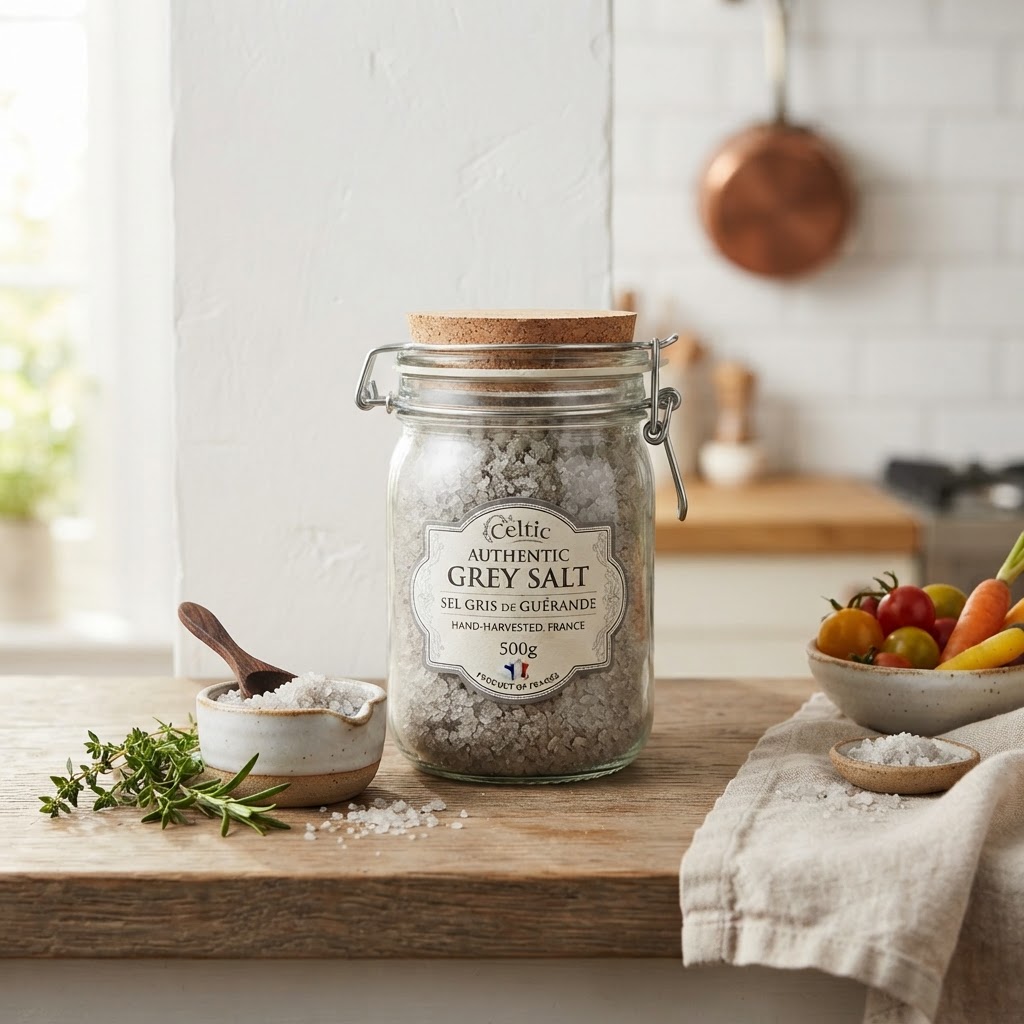
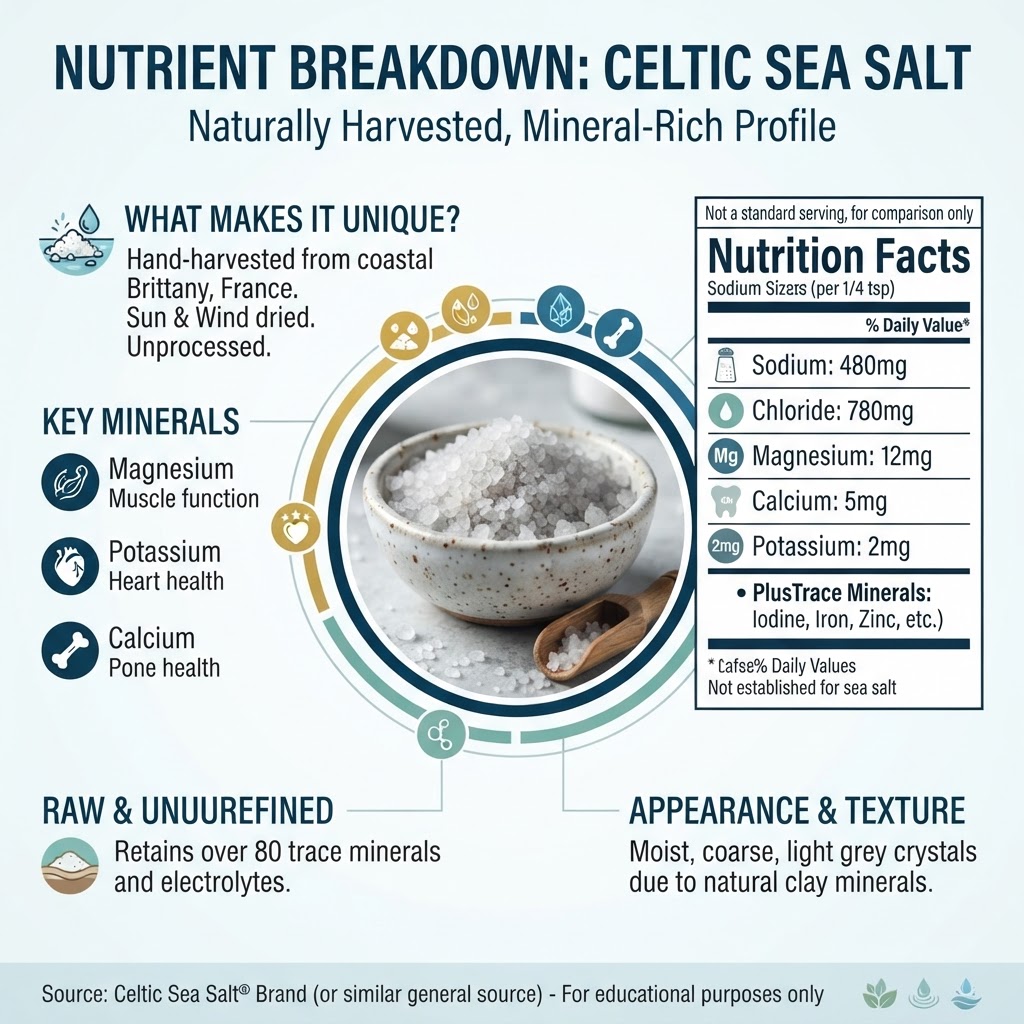
Celtic salt — known in French as sel gris celtique — is not simply a flavouring agent or a finishing touch for a gourmet meal. It is a naturally complex mineral compound that retains the full spectrum of trace elements found in the ancient Atlantic seawater from which it is derived. Unlike refined table salt, which is processed down to nearly pure sodium chloride (often 99.9%), authentic Celtic grey salt contains a living matrix of over trace minerals whose levels vary by harvest and product including magnesium, potassium, calcium, iron, zinc, iodine, and manganese. These are not incidental additions — they are the very electrolytes that the human body requires in precise, balanced ratios to maintain cellular fluid regulation, nerve signal transmission, and muscular contraction. For an athlete, this distinction is not merely academic. It is the difference between superficial hydration and deep, cellular-level replenishment.
The concept of electrolyte balance is one that every serious athlete encounters sooner or later, usually after experiencing cramps, fatigue, dizziness, or the dreaded performance wall that signals the body has depleted its mineral reserves. Standard hydration advice often focuses almost exclusively on sodium and water intake, with perhaps a nod to potassium via banana consumption. But this reductive approach ignores the intricate interdependence of minerals that govern fluid balance at a cellular level. Magnesium, for instance, is essential for over 300 enzymatic reactions in the body, many of which are directly implicated in energy metabolism and muscle recovery. Calcium is required not only for bone strength but for the precise mechanical process of muscle contraction and relaxation. Potassium works in concert with sodium to regulate the electrochemical gradient across cell membranes — the very gradient that enables nerve impulses to fire and muscles to respond. Celtic salt delivers all of these minerals simultaneously, in a naturally synergistic form that the body recognises and absorbs with remarkable efficiency.
What makes 2026 a particularly significant year for this conversation is the convergence of several trends: the mainstream backlash against ultra-processed foods and synthetic supplements, the rise of ancestral health philosophies, the growing body of sports nutrition research questioning the adequacy of conventional electrolyte products, and the increasing accessibility of authentic artisanal salt products from traditional producing regions. Athletes ranging from weekend warriors to elite endurance competitors are reporting measurable improvements in stamina, recovery speed, muscle function, and overall wellbeing after incorporating Celtic grey salt into their hydration protocols. This is not anecdote alone — it is the beginning of a broader scientific and cultural recognition that the most effective tools for human performance are often the most natural ones.
The Complete Guide to Celtic Salt and Athlete Hydration: Understanding Electrolytes
To truly understand why Celtic salt represents such a significant advancement in athlete hydration, we need to build a thorough foundation in electrolyte physiology. Electrolytes are minerals that carry an electrical charge when dissolved in water. Inside the human body, they exist primarily within the intracellular fluid (inside cells) and extracellular fluid (surrounding cells, including blood plasma and lymph). The balance of these minerals across cell membranes — maintained by the sodium-potassium pump and other transport mechanisms — is absolutely essential to virtually every physiological process, from heartbeat regulation to cognitive function to the explosive muscular contractions required in athletic performance.
When an athlete exercises, the body generates enormous amounts of heat. To cool itself, it produces sweat — a saline solution that carries not just water but a significant payload of electrolytes with every drop. Research suggests that an athlete engaging in moderate-to-intense exercise in warm conditions can lose between 1 and 2.5 litres of sweat per hour. Each litre of sweat contains approximately 900–1,400 milligrams of sodium, 200–600 milligrams of potassium, 10–60 milligrams of magnesium, and meaningful quantities of calcium, zinc, and other trace minerals. This means that over the course of a two-hour training session or competitive event, an athlete may lose several grams of sodium alone — but also hundreds of milligrams of magnesium and potassium that are rarely accounted for in conventional hydration strategies. Replacing only water and isolated sodium, as most standard sports drinks do, creates a partial replenishment at best and a mineral imbalance at worst.
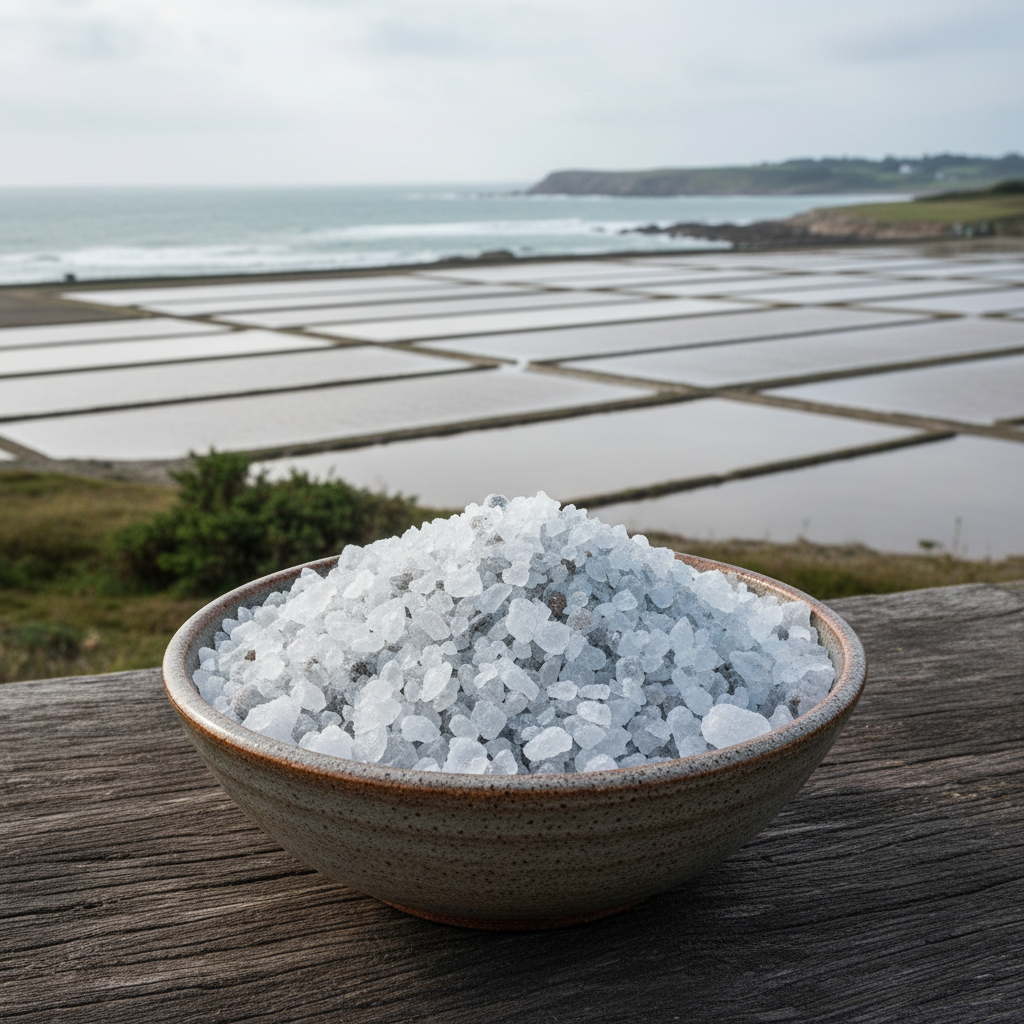
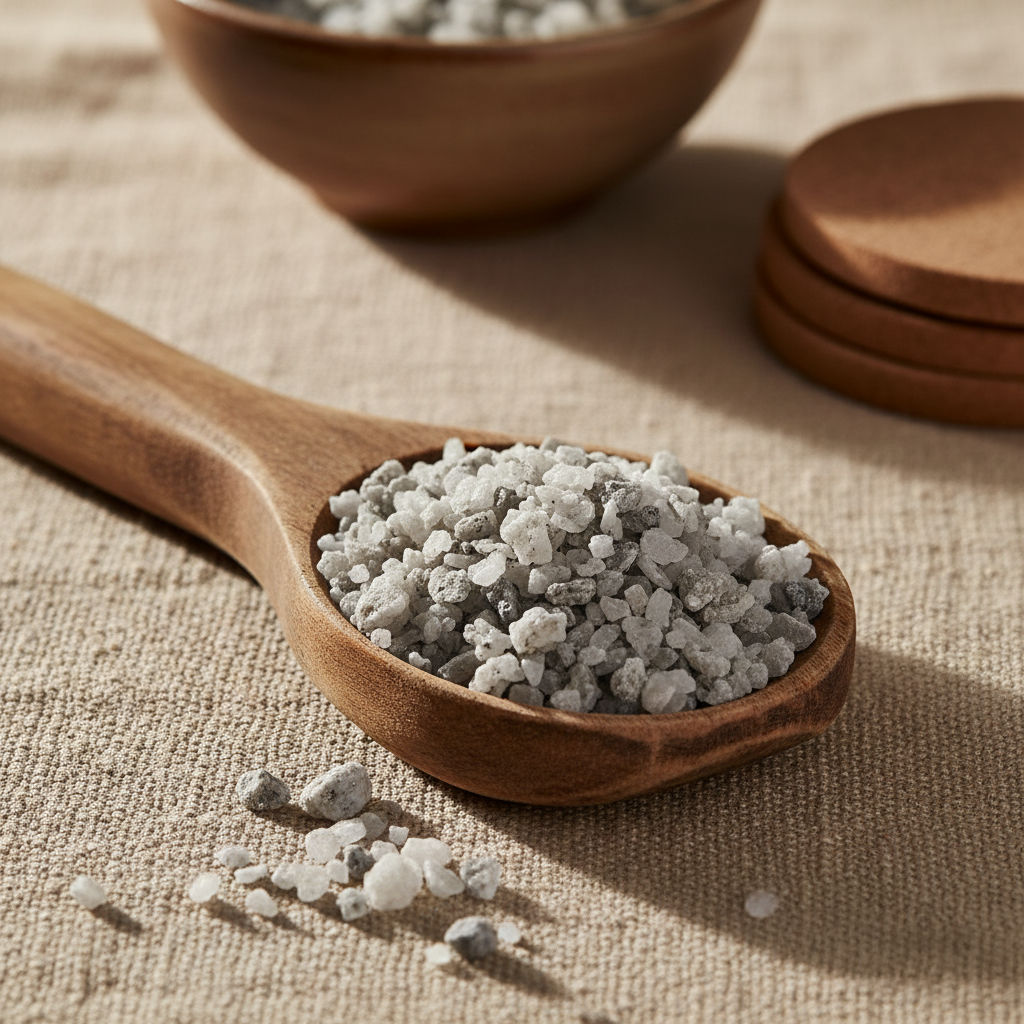
This is precisely where Celtic grey salt distinguishes itself. Because it is harvested through natural solar evaporation in the Guérande salt marshes — a process that has been practiced by paludiers (salt farmers) for over a thousand years — it retains the full mineral complexity of Atlantic seawater in a concentrated, bioavailable form. The characteristic grey colour comes from the clay-lined salt pans, which contribute additional trace minerals and lend the salt its unique moisture content and mineral density. When this salt is dissolved in water and consumed before, during, or after exercise, the resulting solution closely mirrors the electrolyte profile of the body's own fluids. This means the minerals can be absorbed efficiently and deployed immediately where they are needed most.
Building an effective Celtic salt hydration protocol begins with understanding your personal sweat rate and mineral loss patterns, which can vary significantly based on individual biochemistry, climate, exercise intensity, and fitness level. As a general starting framework, many sports nutritionists who work with natural mineral sources recommend beginning with a simple Celtic salt electrolyte drink: dissolve between one-quarter and one-half teaspoon of authentic Celtic grey salt in 500 millilitres of clean water, optionally with a squeeze of fresh lemon juice for added potassium and vitamin C, and a small amount of natural fruit juice or honey for fast-absorbing carbohydrates if energy replenishment is also required. This creates a homemade electrolyte solution that rivals commercial sports drinks in mineral complexity while completely avoiding artificial colours, synthetic flavours, refined sugars, and preservatives.
Pre-exercise hydration with Celtic salt is an area of particular interest. Consuming a Celtic salt electrolyte drink approximately 30 to 60 minutes before intense training or competition helps to pre-load the body's electrolyte reserves, which can delay the onset of fatigue and cramping. This pre-loading effect is well documented in the sports science literature for sodium in particular, and Celtic salt provides this benefit with the added advantage of simultaneously loading magnesium, potassium, and other minerals that support energy production and neuromuscular function. During exercise, small, frequent sips of a dilute Celtic salt solution — rather than large gulps of plain water — help maintain the delicate osmotic balance that governs hydration at the cellular level and prevents hyponatraemia, a dangerous condition caused by drinking too much plain water without adequate electrolyte replacement.
Post-exercise recovery is arguably where Celtic salt hydration has the most dramatic and immediately noticeable impact. After intense exertion, the body enters a state of mineral depletion that, if not addressed promptly and comprehensively, can extend recovery time, increase muscle soreness, impair sleep quality, and compromise immune function. A Celtic salt recovery solution taken within 30 minutes of completing exercise — combined with whole food sources of carbohydrates and protein — initiates the cellular rehydration process far more effectively than plain water or conventional recovery drinks. The magnesium content is particularly valuable here, as this mineral plays a central role in muscle relaxation, protein synthesis, and the regulation of cortisol, the primary stress hormone that remains elevated after hard training. Many athletes who switch to Celtic salt hydration report faster muscle recovery, reduced cramping, and improved sleep quality in the nights following intense training — all consistent with what we would predict from improved magnesium and electrolyte repletion.
It is also worth exploring the role of Celtic salt in long-duration endurance events such as marathons, triathlons, ultramarathons, and cycling sportives. These events present unique hydration challenges because they extend over many hours, require sustained energy output, and place extreme demands on the body's mineral reserves. Many endurance athletes have historically relied on commercial electrolyte tablets or drinks, but the growing awareness of the limitations of these products has prompted a shift toward natural mineral sources. Celtic grey salt is now being carried by endurance athletes in small sealed pouches, mixed into water bottles, added to energy gels and bars, and even dissolved in small amounts of broth for consumption at aid stations. Learn more about Celtic salt strategies for endurance sports on our dedicated blog post, where we explore specific protocols used by ultra-distance competitors.
Beyond its role in athletic hydration, Celtic grey salt from Guérande offers a remarkable array of health-supporting properties and culinary advantages that set it apart from any other salt on the market. It is important to note that while we can discuss the nutritional properties of Celtic salt and their known physiological roles, we are not making medical claims or suggesting that Celtic salt treats, cures, or prevents any disease. Rather, we are exploring the well-established nutritional science surrounding the minerals it contains and how those minerals support normal, healthy physiological function.
The magnesium content of Celtic grey salt is one of its most nutritionally significant attributes. Modern dietary surveys consistently show that a substantial proportion of the population in Western countries does not achieve the recommended daily intake of magnesium, a deficiency that is associated with muscle cramps, fatigue, poor sleep, elevated stress responses, and suboptimal cardiovascular function. Magnesium obtained from whole food and mineral salt sources is generally considered to be well absorbed and tolerated. Because Celtic salt is consumed in relatively small quantities as a food condiment or in electrolyte drinks, it contributes meaningfully to daily magnesium intake without the digestive discomfort sometimes associated with magnesium supplements. Athletes, whose magnesium requirements are higher due to increased losses through sweat and elevated metabolic demands, may find this contribution particularly significant.
The trace mineral profile of Celtic grey salt also includes iodine, which supports healthy thyroid function and metabolic regulation; zinc, which is essential for immune function, wound healing, and protein synthesis; iron, which plays a central role in oxygen transport via haemoglobin; and manganese, which supports bone formation and antioxidant enzyme activity. These are minerals that, when obtained in their naturally occurring forms from whole food and artisanal mineral salt sources, are typically more bioavailable than their synthesised counterparts in multivitamin tablets. The naturally complex mineral matrix of Celtic salt means that these elements are present in proportions and combinations that the body has evolved over millions of years to recognise, absorb, and utilise.
From a culinary perspective, Celtic grey salt is considered by professional chefs and food enthusiasts to be among the finest salts in the world. Its characteristic moisture gives it a soft, slightly yielding texture that makes it easy to crumble between the fingers for hand-seasoning. Its flavour is notably more complex and rounded than refined table salt, with a subtle oceanic quality and a mineral depth that enhances the natural flavours of food rather than simply adding saltiness. This complexity is a direct reflection of its mineral diversity — the same qualities that make it nutritionally superior also make it gastronomically exceptional. It pairs magnificently with grilled meats and fish, roasted vegetables, fresh salads, chocolate, and caramel, and it dissolves smoothly into soups, stews, and marinades. Explore our comprehensive culinary guide to cooking with Celtic salt for detailed recipes and flavour pairing suggestions from professional chefs.