Hand-harvested Guérande salt · Tracked international delivery included
Guide· by Celtic Salt Editorial Team
Celtic Salt Electrolyte Powder: What It Is and How It's Used
Food information, not medical advice. Salt remains a significant source of sodium. Trace-mineral levels can vary by harvest and product, and culinary salt should not be used as a treatment or medical electrolyte supplement.
What Is Celtic Salt Electrolyte Powder: What It Is and How It's Used and Why It Matters in 2026
In a world increasingly saturated with synthetic supplements, artificial flavourings, and laboratory-engineered wellness products, the return to ancient, mineral-rich natural salts has never felt more relevant. Celtic salt electrolyte powder represents the convergence of two powerful wellness movements: the growing demand for clean, additive-free hydration support and the rediscovery of traditional harvesting methods that have existed along the Atlantic coast of France for over a thousand years. At its core, Celtic salt electrolyte powder is a finely ground or dissolved preparation of authentic grey salt from the Guérande salt marshes of Brittany, designed to replenish the electrolytes your body loses through sweat, exertion, stress, and everyday metabolic processes. Unlike commercially produced electrolyte powders that rely on isolated sodium chloride, synthetic potassium compounds, and artificial sweeteners, Celtic salt electrolyte preparations draw their power from a naturally complex mineral matrix that mirrors the ionic composition of the human body's own fluids in remarkable ways.
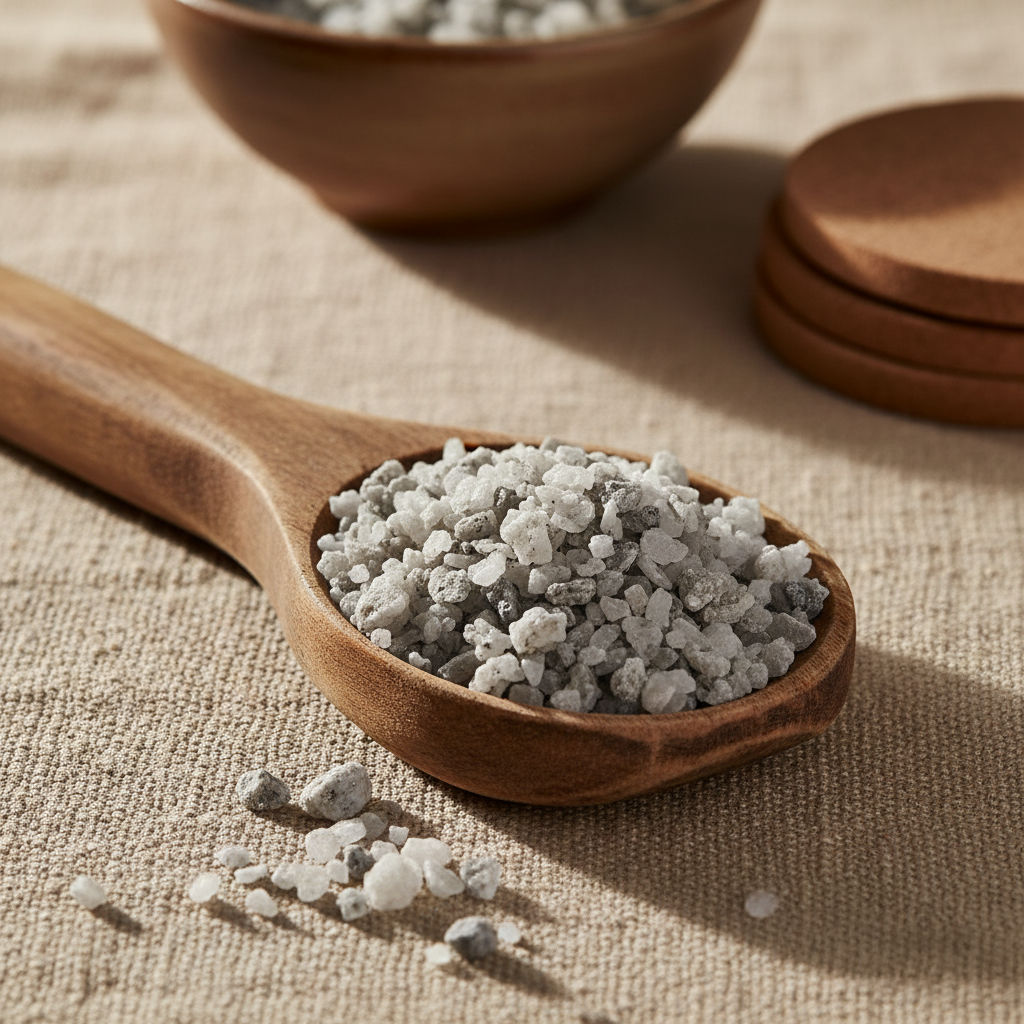
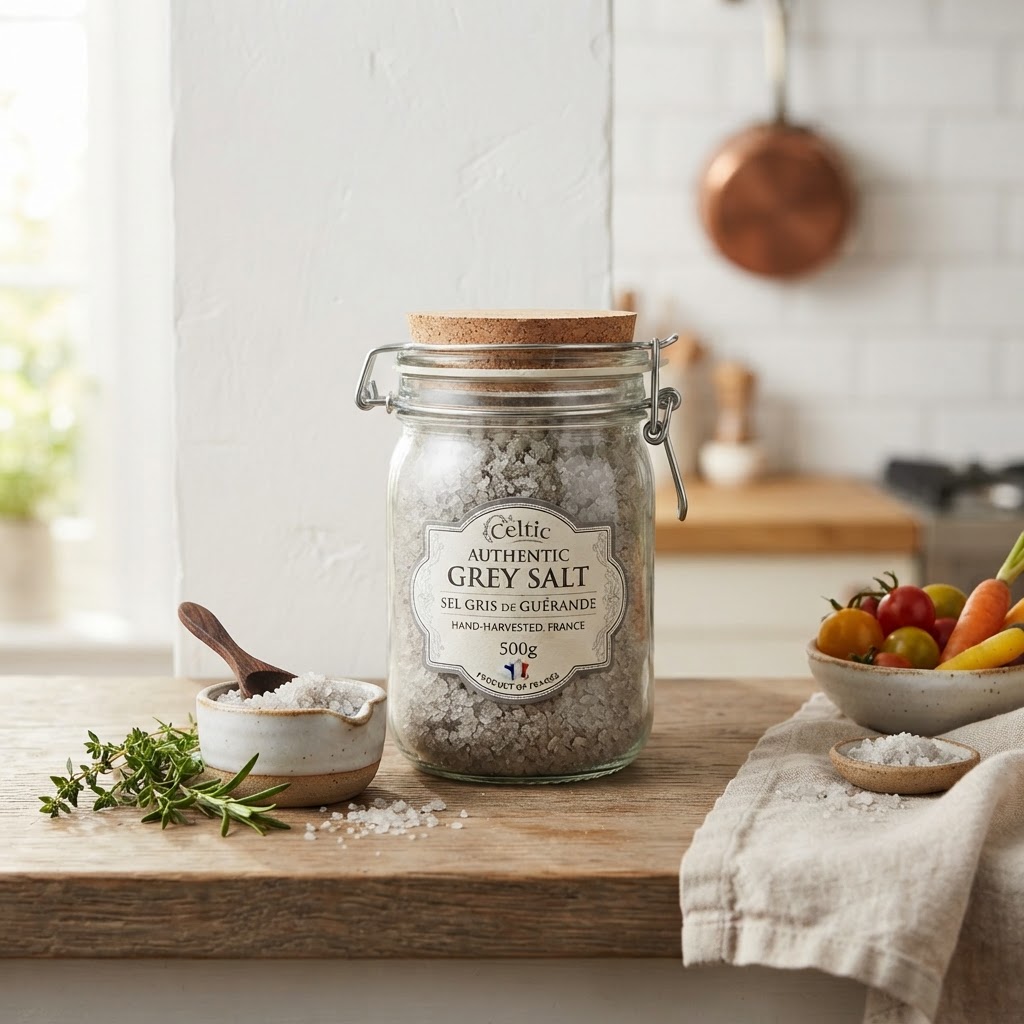
The reason this matters so much in 2026 is rooted in a broader cultural and scientific awakening around what we actually put into our bodies. Consumers are reading labels more carefully than ever before. Athletes, wellness practitioners, nutritionists, and everyday health-conscious individuals are asking harder questions about the provenance, processing, and purity of their supplements. Celtic grey salt, harvested by hand using traditional wooden tools called lousse and simoussi by paludiers — the salt farmers of Brittany — is one of the few mineral food products in the world that remains genuinely unprocessed. It is not bleached, not kiln-dried to extreme temperatures, not stripped of its natural mineral content, and not reconstituted with synthetic additives. The grey colour that characterises authentic Guérande Celtic salt comes from the natural clay of the salt pan floors and from the rich ecosystem of marine microorganisms that contribute trace minerals to the brine. When this salt is prepared as an electrolyte powder, either as a standalone fine-ground product or blended with complementary minerals like magnesium and potassium from natural sources, the result is a hydration tool that works in harmony with the body's own biology.
Electrolyte balance is fundamental to virtually every system in the human body. Sodium, potassium, magnesium, calcium, chloride, phosphate, and bicarbonate ions regulate nerve impulse transmission, muscle contraction and relaxation, fluid distribution across cell membranes, blood pressure regulation, and the maintenance of healthy pH levels throughout the bloodstream and tissues. When these electrolytes fall out of balance — whether through intense physical activity, illness, heat exposure, fasting, ketogenic dietary approaches, or simply inadequate dietary intake — the consequences can range from mild fatigue and muscle cramps to more serious impairments of cognitive function and cardiovascular performance. Celtic salt electrolyte powder addresses this need not by delivering isolated synthetic ions but by providing a spectrum of naturally occurring minerals in bioavailable forms. This full-spectrum approach is increasingly supported by nutritional research suggesting that minerals work synergistically, with each one enhancing or moderating the absorption and utilisation of others in ways that single-mineral supplements cannot replicate.
The year 2026 has brought with it a surge in interest in ancestral health practices, clean-label supplementation, and sustainable food sourcing — and Celtic salt electrolyte powder sits comfortably at the intersection of all three. Guérande is a UNESCO-recognised region, and the salt marshes there are managed under strict environmental standards that have preserved both the ecosystem and the traditional harvesting techniques for generations. Choosing a Celtic salt-based electrolyte product is therefore not just a personal health decision but also a vote for sustainable agriculture, artisanal craft, and the preservation of irreplaceable cultural heritage. As more people understand the provenance of what they consume, products like Celtic salt electrolyte powder are transitioning from niche wellness supplements to mainstream staples in kitchens, gym bags, and medical practices around the world.
The Complete Guide to Celtic Salt Electrolyte Powder: What It Is and How It's Used
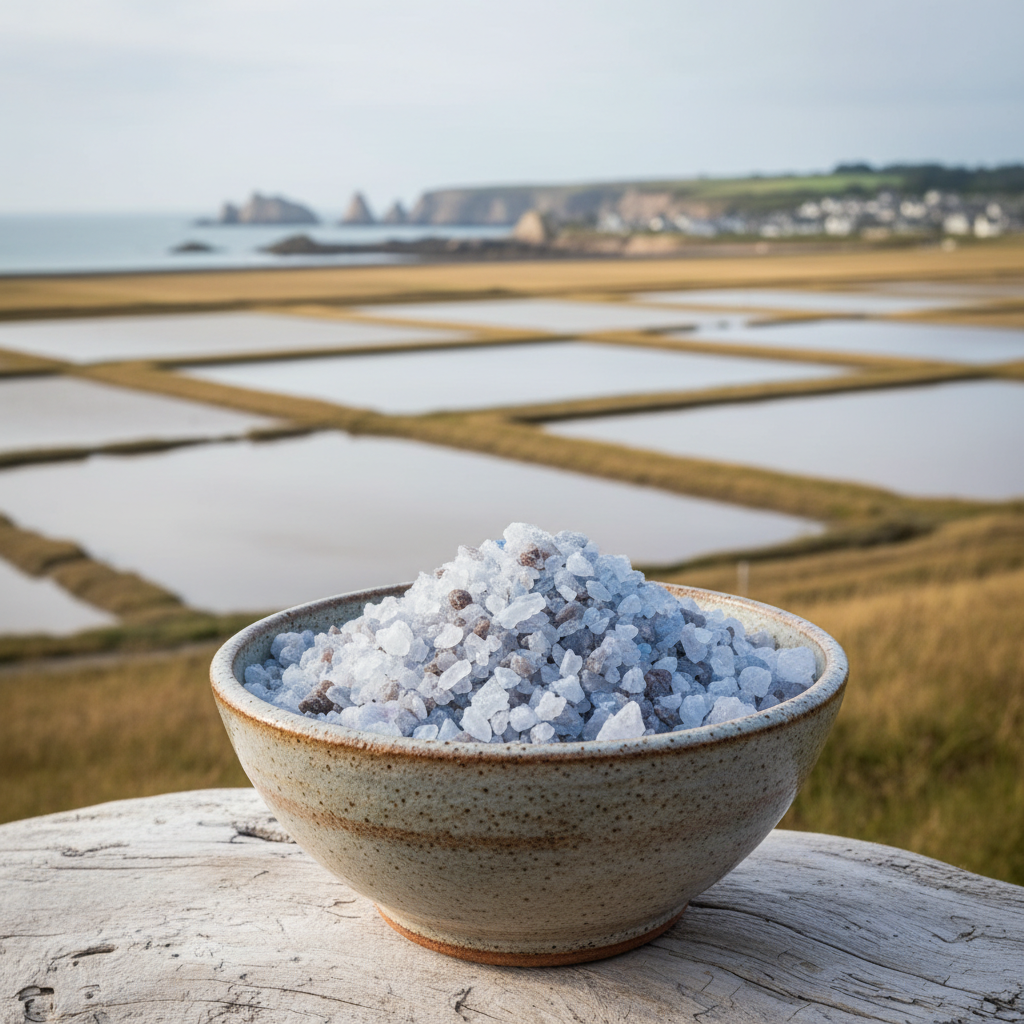
To fully understand Celtic salt electrolyte powder, it helps to start with the source material itself. Authentic Celtic grey salt — known in French as sel gris de Guérande — is harvested from shallow tidal salt pans along the Atlantic coast of Brittany in northwestern France. These salt pans, known as oeillets, are flooded with seawater during high tides and then allowed to evaporate slowly under the influence of sun and Atlantic winds. As the water evaporates, the concentration of dissolved minerals increases until salt crystals begin to form on the surface and settle to the floor of the pan. The paludiers rake this grey, moisture-rich salt by hand using centuries-old techniques, collecting it without any mechanical intervention that might strip away its natural mineral coating. The resulting product contains not just sodium chloride but a full spectrum of oceanic minerals including magnesium, calcium, potassium, iron, zinc, manganese, iodine, and dozens of trace elements in naturally occurring proportions.
Celtic salt electrolyte powder is typically produced in one of two ways. The first and most straightforward method is simply grinding or milling authentic Celtic grey salt to a very fine consistency — fine enough to dissolve quickly and completely in water, creating an instantly drinkable electrolyte solution. This approach preserves the full mineral profile of the original salt and requires no additional ingredients. The second method involves blending finely ground Celtic salt with other naturally sourced electrolyte minerals, most commonly magnesium from sources like magnesium chloride or magnesium citrate, and potassium from natural potassium chloride or fruit-derived potassium sources. Some formulations also incorporate organic acids like citric acid from lemon or lime, which enhance mineral absorption through a chelation effect and improve the palatability of the solution. The best formulations avoid synthetic sweeteners, artificial colours, maltodextrin, and other fillers that have no place in a clean electrolyte product.
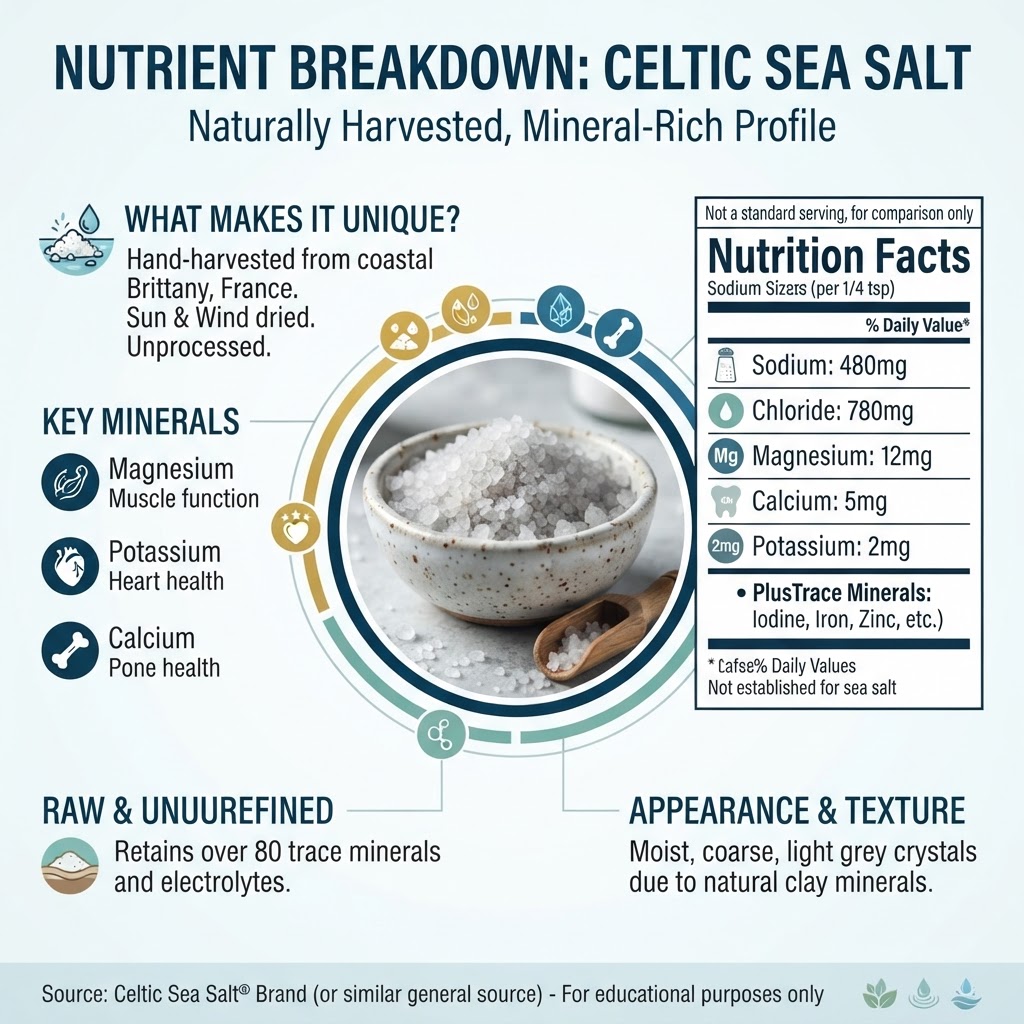
Understanding the mineral composition of Celtic salt is essential to appreciating why it functions so well as an electrolyte base. Typical analyses of authentic Guérande grey salt reveal a sodium chloride content of approximately 82 to 87 percent, which is noticeably lower than refined table salt at 99.9 percent. The remaining 13 to 18 percent comprises water and a complex array of mineral salts. Magnesium is particularly noteworthy, often present at levels between 0.3 and 0.6 percent by weight — significantly higher than in most other natural salts. This magnesium content is one of the reasons Celtic salt is so valued for electrolyte preparations, because magnesium is involved in over 300 enzymatic reactions in the human body and is one of the minerals most commonly depleted during physical activity. Calcium, potassium, and sulfur compounds are also present in meaningful amounts, along with trace quantities of iodine, iron, zinc, and other micronutrients that support metabolic health in ways that are difficult to replicate with synthetic supplements.
The practical use of Celtic salt electrolyte powder is remarkably versatile. In its most fundamental application, a small measured quantity — typically between a quarter teaspoon and a full teaspoon depending on individual needs and the specific formulation — is dissolved in a glass or bottle of water, creating an electrolyte-rich hydration drink that can be consumed before, during, or after physical activity. Beyond this basic application, Celtic salt electrolyte powder can be added to smoothies, coconut water, herbal teas, homemade sports drinks, soups, broths, and even certain baked goods where mineral-rich salt would be appropriate. Some practitioners recommend adding Celtic salt electrolyte powder to the first glass of water consumed in the morning, on the basis that the body loses fluids and electrolytes overnight through breathing and perspiration, and that replenishing them first thing sets a strong foundation for the day's hydration. Others use it strategically around workouts, during extended fasting periods, in hot weather, or when recovering from illness involving fluid loss.
For those following specific dietary protocols — including ketogenic diets, extended intermittent fasting, carnivore diets, or low-carbohydrate approaches — Celtic salt electrolyte powder takes on additional importance. These dietary styles inherently reduce insulin levels, which in turn causes the kidneys to excrete more sodium and other electrolytes in the urine. Without deliberate replenishment, the electrolyte losses associated with these protocols can cause what is commonly called the "keto flu" — a collection of symptoms including headaches, fatigue, muscle cramps, brain fog, and irritability that are in fact largely attributable to electrolyte depletion rather than any intrinsic problem with the dietary approach itself. Celtic salt electrolyte powder, with its naturally broad mineral profile, is exceptionally well suited to addressing this specific need. You can read more about how Celtic salt supports low-carbohydrate dietary approaches in our detailed guide at celtic-salt.com/blog/celtic-salt-keto-diet.
Health and Culinary Benefits
The health-supporting properties of Celtic salt electrolyte powder are most clearly understood through the lens of mineral nutrition and hydration physiology. Sodium, the primary electrolyte in Celtic salt, plays a central role in regulating extracellular fluid volume — essentially, the amount of fluid that exists outside your cells in the bloodstream and in the spaces between tissues. Adequate sodium intake supports stable blood pressure, proper kidney function, and the maintenance of plasma volume during exercise and heat stress. Contrary to outdated nutritional dogma that painted all sodium as inherently harmful, contemporary research has consistently shown that the relationship between sodium intake and health outcomes is far more nuanced. The form in which sodium is consumed, the accompanying minerals present, and individual factors like activity level and sweat rate all influence how sodium affects the body. The naturally balanced sodium content of Celtic salt, accompanied by its full complement of counterbalancing minerals, represents a very different nutritional input compared to isolated refined sodium chloride.
Magnesium, present in meaningful concentrations in authentic Celtic grey salt, deserves particular attention in the context of electrolyte health. This mineral is involved in energy production at the cellular level, in the synthesis of DNA and protein, in the regulation of blood glucose, and in the proper function of the nervous system and musculature. Magnesium deficiency is extraordinarily common in modern populations — some estimates suggest that the majority of adults in Western countries do not consume adequate magnesium from dietary sources alone. Supplementation through Celtic salt electrolyte powder therefore addresses a very real and widespread nutritional gap. Athletes and physically active individuals are at particularly elevated risk of magnesium depletion because it is lost in significant quantities through sweat, and because exercise itself increases the demand for magnesium in energy-producing metabolic pathways. The magnesium naturally present in Celtic salt is in ionic form — already dissolved in the moisture that gives grey salt its characteristic damp texture — which makes it highly bioavailable and easy for the body to absorb.
From a culinary perspective, Celtic salt electrolyte powder also brings exceptional flavour complexity to food and drink preparations. The diverse mineral content of grey salt produces a taste that is richer, more rounded, and more nuanced than that of refined table salt, which delivers only the sharp, flat taste of pure sodium chloride. When dissolved in water, Celtic salt creates a mineral-rich brine that is reminiscent of pure ocean water — slightly briny, faintly earthy, with subtle undertones that vary subtly depending on the specific harvest and the mineral composition of that season's salt pans. This complexity translates well into homemade sports drinks, electrolyte tonics, mineral broths, and cooking applications where depth of flavour is valued. Chefs working at the intersection of fine dining and nutritional wellness have increasingly turned to Celtic salt preparations as both a flavour-enhancing ingredient and a functional nutritional element in their recipes.