Hand-harvested Guérande salt · Tracked international delivery included
Guide· by Celtic Salt Editorial Team
Celtic Salt and Electrolytes: What Minerals It Provides
Food information, not medical advice. Salt remains a significant source of sodium. Trace-mineral levels can vary by harvest and product, and culinary salt should not be used as a treatment or medical electrolyte supplement.
What Is Celtic Salt and Electrolytes: What Minerals It Provides and Why It Matters in 2026
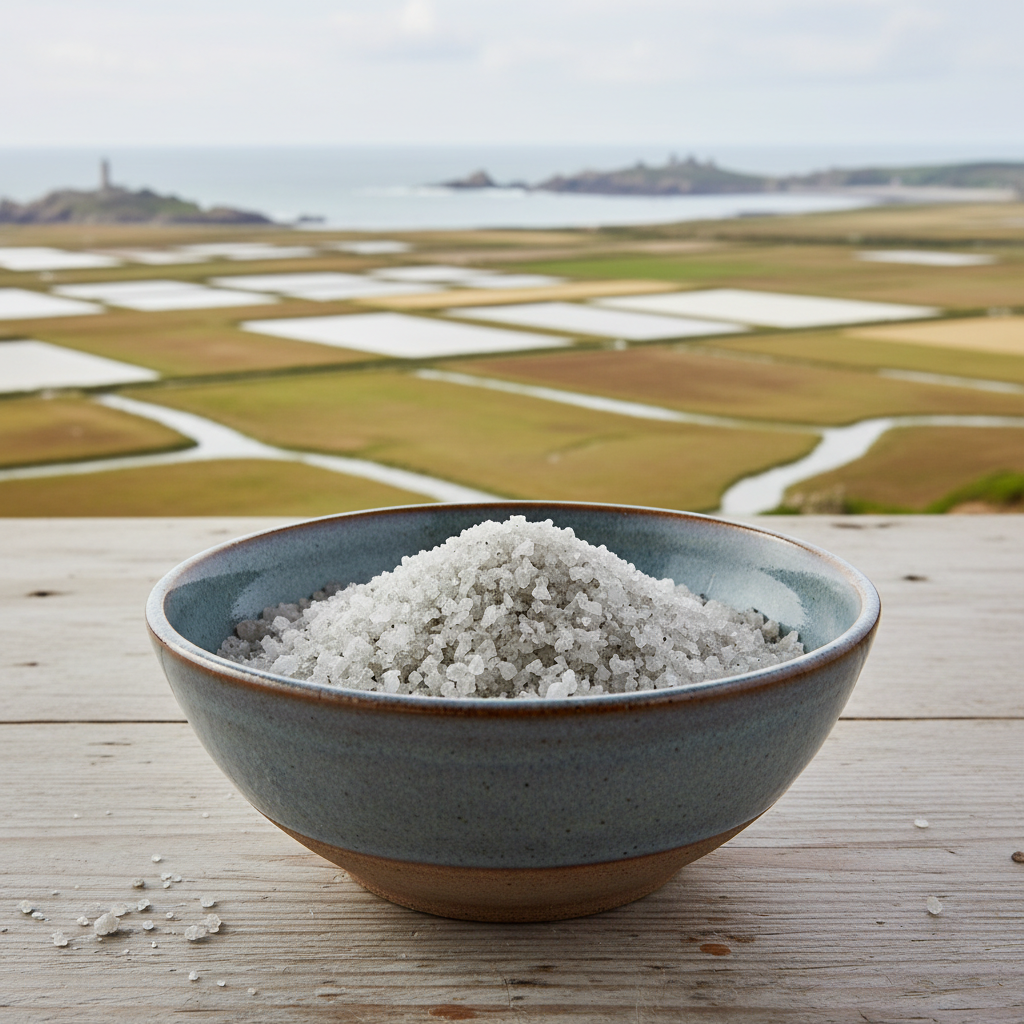
In a world increasingly dominated by ultra-processed foods, synthetic supplements, and laboratory-engineered nutrition products, there is a quiet but powerful resurgence of interest in one of the oldest and most natural mineral sources on the planet: Celtic grey salt from the marshes of Guérande in Brittany, France. This remarkable salt, harvested by hand using centuries-old paludier techniques, is far more than a seasoning. It is a dense, complex mineral matrix that delivers a broad spectrum of electrolytes in their most bioavailable, naturally balanced form. As we move deeper into 2026, the conversation around hydration, athletic performance, and everyday wellness has shifted decisively away from synthetic electrolyte drinks packed with artificial colours and refined sodium chloride, and toward whole-food mineral sources — with Celtic grey salt leading the charge.
Electrolytes are electrically charged minerals that your body depends on for virtually every physiological function. From the firing of neurons to the contraction of your heart muscle, from the regulation of fluid balance across cell membranes to the synthesis of digestive enzymes, electrolytes are the invisible infrastructure of human health. The primary electrolytes your body needs include sodium, chloride, potassium, magnesium, calcium, phosphate, and bicarbonate. Most people associate electrolytes with sports drinks or effervescent tablets, but what many do not realise is that a genuinely unrefined salt like Celtic grey salt from Guérande can provide a naturally occurring constellation of these very minerals — without the added sugars, artificial flavourings, or synthetic chelating agents found in commercial products.
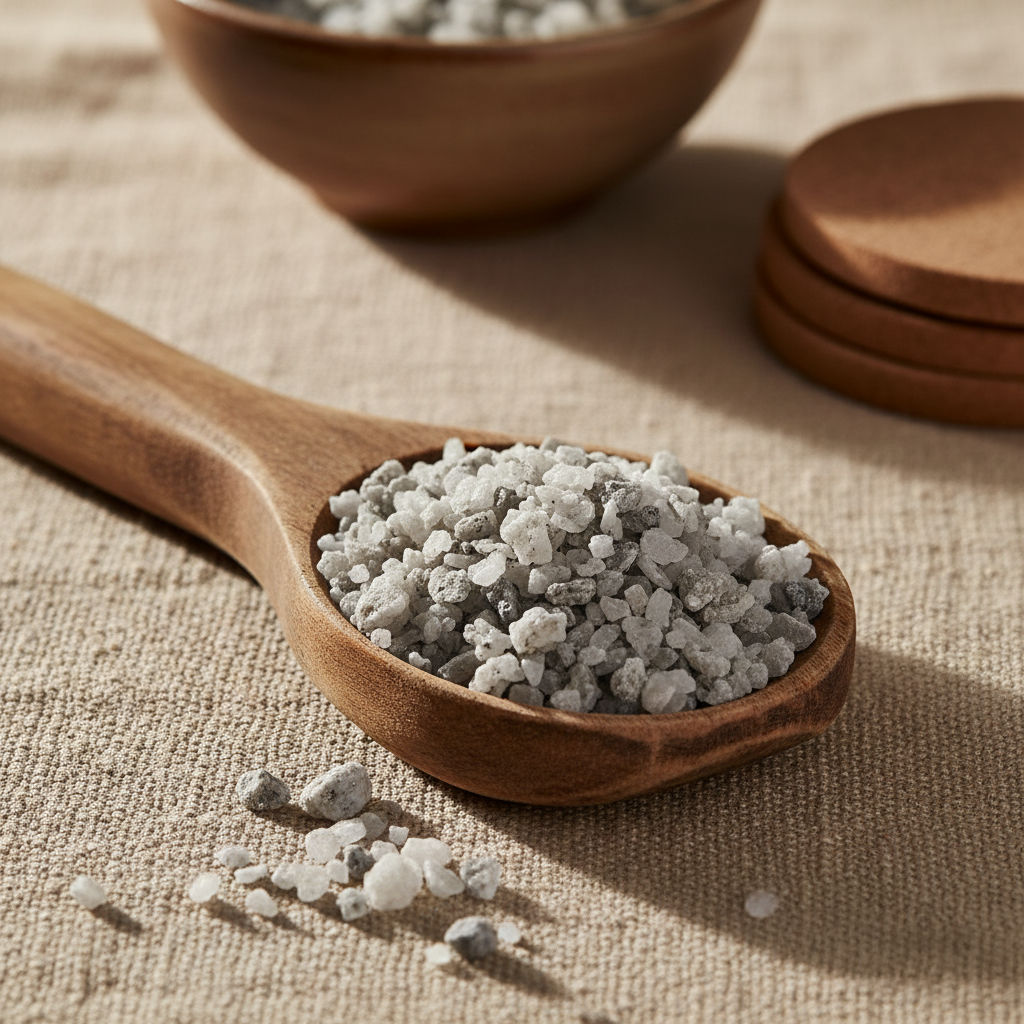
What makes Celtic grey salt particularly extraordinary from a mineral perspective is its characteristic moisture content and grey hue, both of which are direct indicators of its rich mineral density. Unlike white table salt, which has been heavily processed, kiln-dried, and stripped of its natural mineral companions, Celtic grey salt retains the naturally occurring trace minerals and electrolytes absorbed from the Atlantic seawater that flows into the carefully managed clay-lined salt pans of Guérande. The grey colour comes from the clay of the salt pans themselves, which contributes additional minerals including magnesium and iron. The moisture content — which can make the salt feel slightly damp to the touch — is not a flaw but a feature: it is a sign that the salt has not been subjected to the high-heat drying processes that destroy mineral complexity.
As the health and wellness community in 2026 becomes increasingly sophisticated about the difference between sodium chloride in isolation and sodium chloride embedded within a full-spectrum mineral matrix, Celtic grey salt is finally receiving the scientific and cultural recognition it has long deserved. Nutritionists, integrative medicine practitioners, endurance athletes, and everyday home cooks are turning to this ancient salt not just for its flavour complexity but for its genuine contribution to electrolyte balance and mineral nutrition. Understanding exactly which electrolytes and minerals Celtic grey salt provides — and how they function in the human body — is the first step toward making more informed choices about how you season your food, hydrate your body, and support your long-term health.
The Complete Guide to Celtic Salt and Electrolytes: What Minerals It Provides
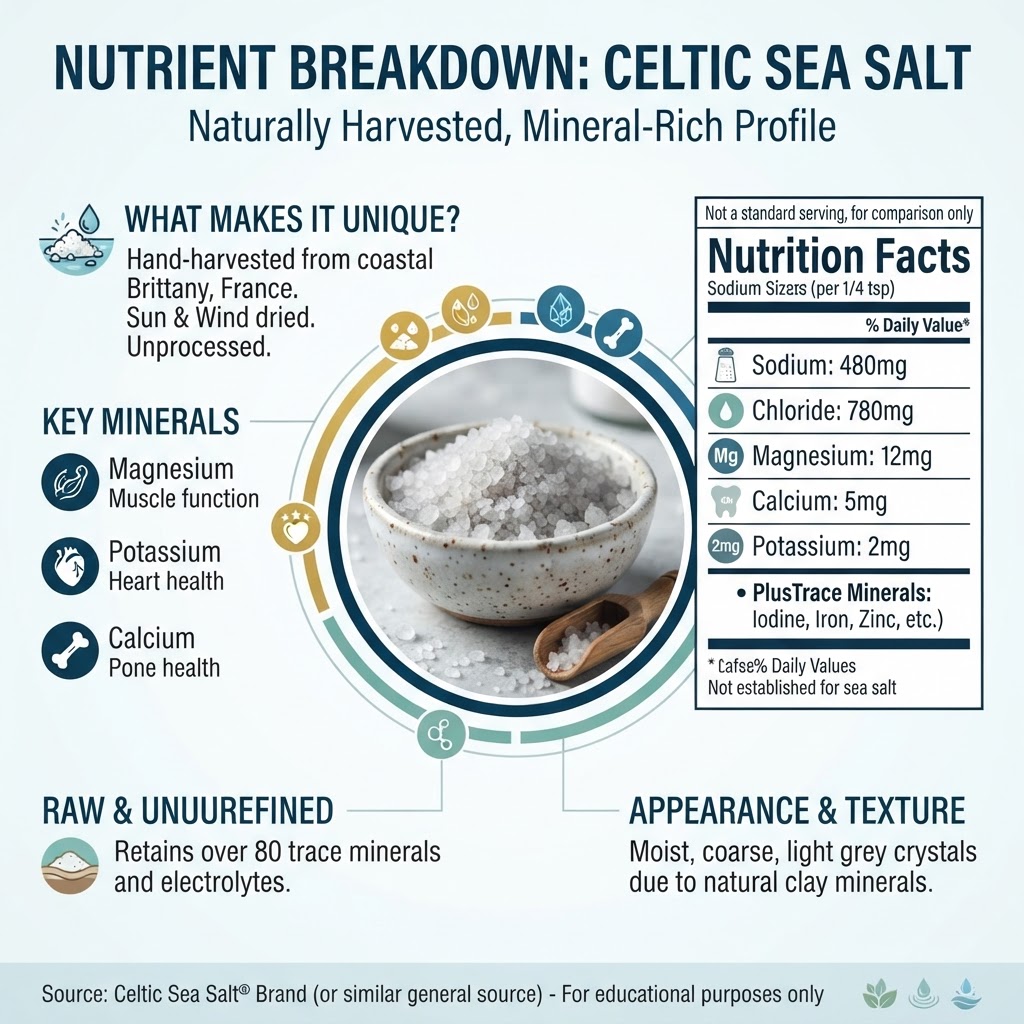
To truly appreciate what Celtic grey salt contributes to your electrolyte profile, it helps to begin with a detailed breakdown of its mineral composition. While the exact mineral content can vary slightly depending on the specific harvest season and the particular salt pan in Guérande, authentic Celtic grey salt consistently contains a rich array of minerals well beyond simple sodium chloride. Independent laboratory analyses of genuine Guérande grey salt have identified over trace minerals whose levels vary by harvest and product, though the most nutritionally significant electrolytes are present in meaningful, measurable quantities. Let us walk through each of the key electrolytes and minerals Celtic grey salt provides and explore their roles in human physiology.
Sodium and Chloride: These are the dominant minerals in any salt, and Celtic grey salt is no exception. Sodium and chloride together form the primary extracellular electrolyte pair, meaning they are the principal minerals found in the fluid surrounding your cells. Sodium plays a central role in regulating blood pressure, maintaining fluid balance, enabling nerve signal transmission, and facilitating the absorption of other nutrients including glucose and amino acids. Chloride complements sodium closely, helping to maintain proper osmotic pressure and playing a key role in the production of hydrochloric acid in the stomach, which is essential for protein digestion and the absorption of minerals like iron and zinc. What distinguishes Celtic grey salt from refined table salt is not merely the presence of sodium and chloride, but the ratio in which they appear alongside other minerals. Because Celtic grey salt is less aggressively processed, its sodium content is actually slightly lower than that of refined table salt, leaving more proportional room for the supporting cast of trace minerals.
Magnesium: Perhaps the most talked-about mineral in Celtic grey salt beyond sodium, magnesium is present in genuinely notable quantities. Magnesium is involved in over 300 enzymatic reactions in the human body. It supports muscle function, helps regulate blood sugar levels, contributes to healthy bone density, enables protein synthesis, and plays a critical role in energy production at the cellular level through its involvement in ATP synthesis. Magnesium is also essential for proper nerve function and has been studied extensively for its relationship with sleep quality, stress response, and cardiovascular health. Magnesium deficiency is remarkably common in the modern diet, making its natural presence in Celtic grey salt a particularly meaningful benefit. The magnesium in Celtic grey salt exists in the form of magnesium chloride, one of the most bioavailable forms of magnesium available.
Potassium: While potassium is present in smaller quantities in Celtic grey salt than sodium, its presence is nonetheless significant and valuable. Potassium is the primary intracellular electrolyte, meaning it works in direct opposition to sodium to maintain the electrochemical gradient across cell membranes that powers nerve impulses and muscle contractions. The sodium-potassium balance is one of the most critical equilibria in human physiology. Adequate potassium intake supports healthy blood pressure by counteracting the blood-pressure-raising effects of sodium, and it is essential for healthy heart rhythm, kidney function, and muscle performance. Athletes and highly active individuals in particular need to maintain adequate potassium levels to prevent cramps and support endurance.
Calcium: Celtic grey salt contains trace amounts of calcium, contributing to your overall daily intake of this essential mineral. Calcium is of course best known for its role in bone and dental health, but it also plays vital electrolyte functions including muscle contraction, blood clotting, and cell signalling. While Celtic grey salt should not be considered a primary dietary source of calcium, its contribution as part of a whole-food mineral matrix is consistent with the broader principle that minerals in food are often better absorbed when they appear alongside their natural mineral companions rather than in isolation.
Iron, Zinc, Manganese, and Other Trace Minerals: The grey colour of authentic Celtic salt from Guérande is partly attributable to clay particles from the salt pan floors, which contribute additional trace minerals including iron and manganese. Iron is essential for haemoglobin synthesis and oxygen transport. Zinc supports immune function, wound healing, and enzymatic activity. Manganese plays a role in antioxidant defence through its involvement in the production of superoxide dismutase. Iodine, selenium, and silica are among the many other trace minerals identified in authentic Celtic grey salt, each contributing to specific physiological functions and collectively reinforcing the argument that this salt is nutritionally far superior to its refined industrial counterpart.
To put this in practical perspective, consider that a teaspoon of Celtic grey salt — roughly the amount many people consume across a full day of seasoning — delivers a meaningful dose of naturally occurring magnesium, a contribution of potassium, a range of trace minerals, and sodium in a form that the body recognises and processes more efficiently than the isolated sodium chloride in processed food. This is the essence of what makes Celtic grey salt a genuine electrolyte food rather than simply a flavouring agent. You can explore our full range of authentic Guérande grey salt at celtic-salt.com/produits.
Health and Culinary Benefits
The health-supporting properties of Celtic grey salt are rooted in its mineral complexity, and it is worth examining these benefits carefully while being precise about what the evidence supports. It is important to note that Celtic grey salt is a food, not a medicine, and no responsible discussion of its benefits should cross into medical claims. That said, the nutritional science around electrolytes and trace minerals is well-established, and the benefits of obtaining these nutrients from whole, minimally processed food sources rather than synthetic supplements are broadly supported by nutritional research.
From a hydration perspective, Celtic grey salt's balanced electrolyte profile makes it a natural complement to adequate water intake. Hydration is not simply about drinking water — it is about maintaining the proper concentration of electrolytes in your body fluids so that water can actually enter and nourish your cells. Drinking large amounts of plain water without adequate electrolytes can actually dilute your body's mineral concentrations, a phenomenon known as hyponatraemia, which is particularly relevant for endurance athletes. Adding a small pinch of Celtic grey salt to water or to mineral-rich foods supports genuine cellular hydration in a way that plain water alone cannot. This principle underlies the growing trend of "mineral water" and electrolyte-enhanced hydration among athletes and wellness enthusiasts, many of whom are discovering that high-quality grey salt achieves the same goal far more economically and naturally.
For digestive health, the chloride in Celtic grey salt supports the production of hydrochloric acid in the stomach. Adequate stomach acid is fundamental to the proper breakdown of proteins, the absorption of vitamin B12, the assimilation of minerals including calcium and magnesium, and the prevention of bacterial overgrowth in the digestive tract. Many people who suffer from digestive discomfort, bloating, and nutrient malabsorption are actually dealing with low stomach acid rather than excess acid, and ensuring adequate chloride intake through a mineral-rich salt can be a simple and natural supporting strategy. The flavour-enhancing properties of Celtic grey salt also encourage the enjoyment of whole, unprocessed foods, which in turn supports better overall digestive and nutritional health.
From a culinary standpoint, Celtic grey salt from Guérande is celebrated by professional chefs and home cooks alike for its complex, briny, slightly mineral flavour that is markedly different from the sharp, one-dimensional taste of refined table salt. This complexity comes directly from its mineral content — the magnesium chloride, calcium, and trace minerals all contribute subtle flavour notes that enhance food without overpowering it. The naturally moist texture of Celtic grey salt also means it dissolves differently on the palate, releasing its mineral complexity gradually and providing what many describe as a rounder, more satisfying saltiness. It excels as a finishing salt on grilled meats, roasted vegetables, fresh fish, and artisan bread, and it integrates beautifully into brines, marinades, and fermentation projects. For deeper insight into how Celtic salt enhances your cooking, read our guide at celtic-salt.com/blog/celtic-salt-in-the-kitchen.
How to Use Celtic Salt and Electrolytes: What Minerals It Provides — Expert Tips
Understanding the mineral richness of Celtic grey salt is one thing; knowing how to incorporate it practically into your daily life to maximise its electrolyte benefits is another. Here are expert-level strategies for using Celtic grey salt as both a culinary ingredient and a natural electrolyte source.