Hand-harvested Guérande salt · Tracked international delivery included
GuideOctober 19, 2026· by Celtic Salt Editorial Team
Celtic Organic Winery Guide: Enhancing Wine with Sea Salt
The Philosophy of Pairing Salt with Organic Viticulture
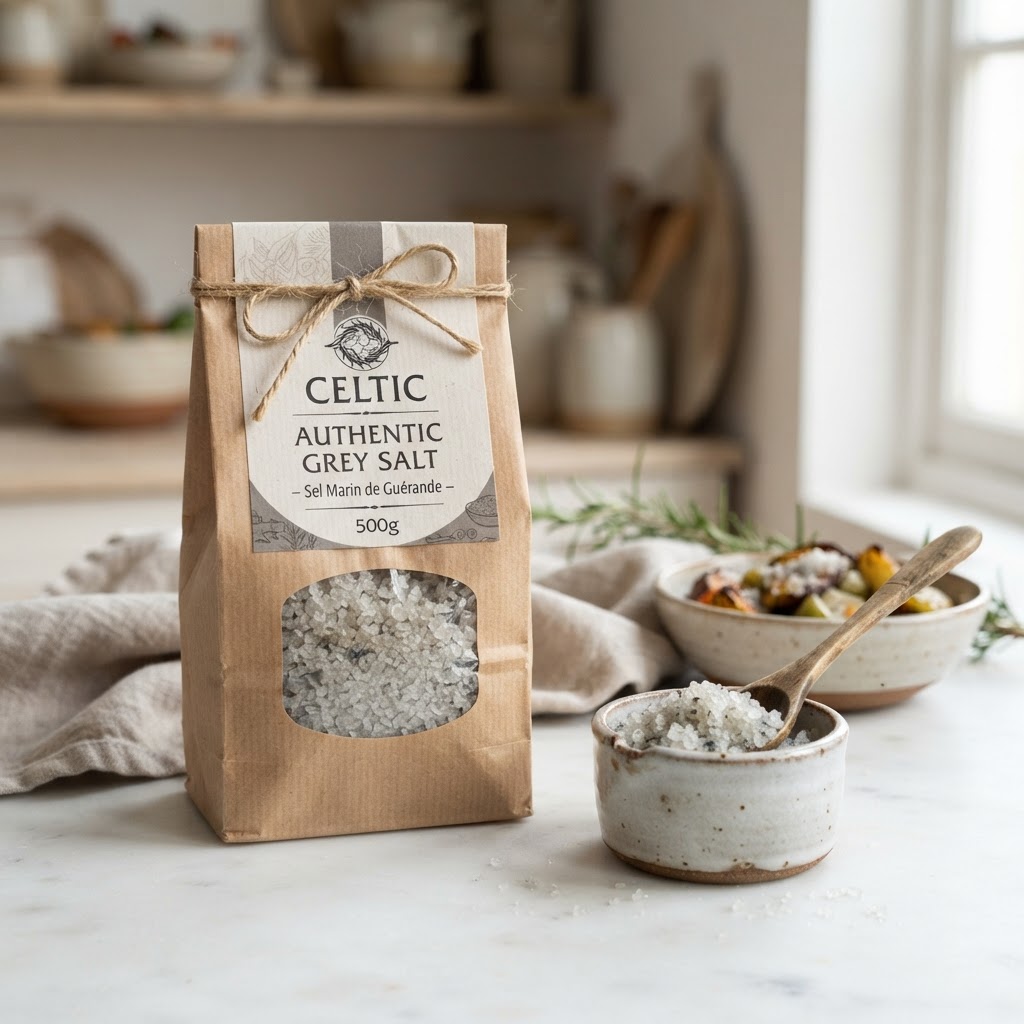
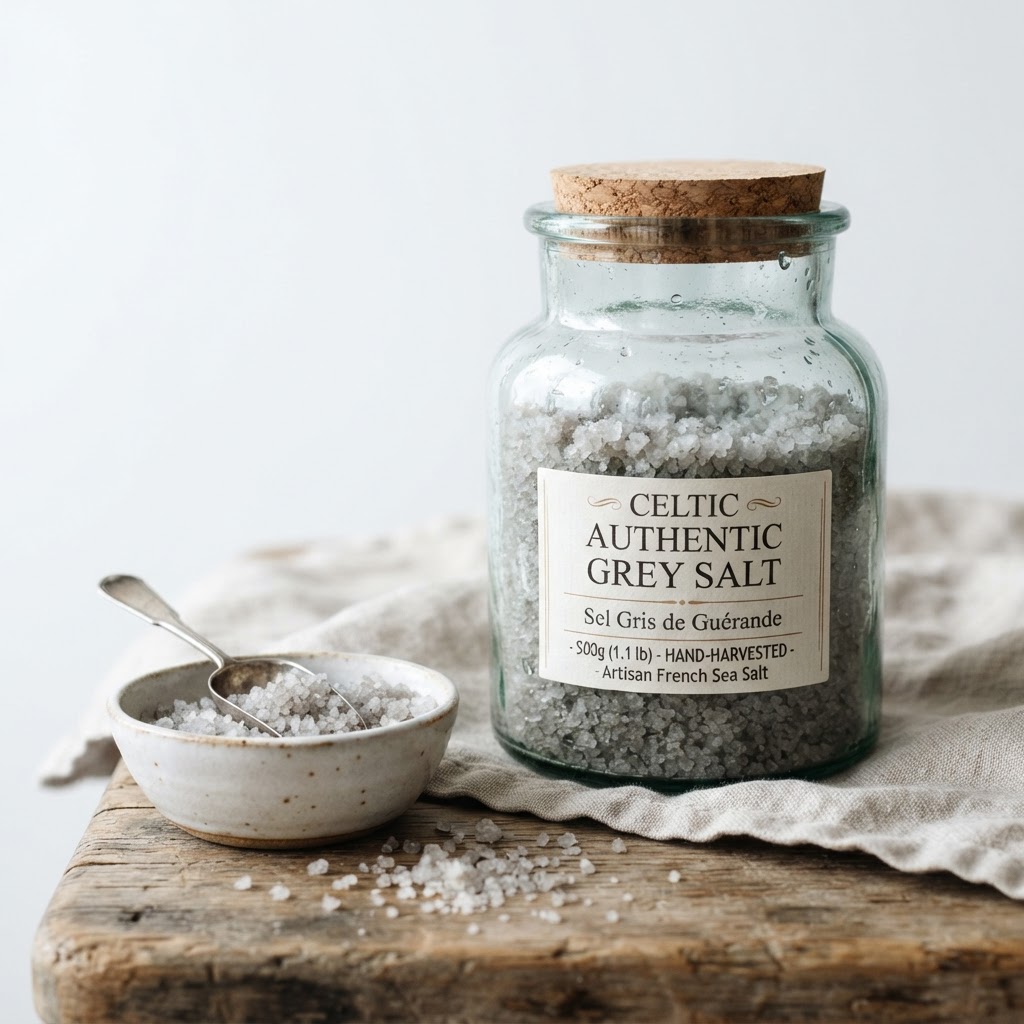
In the world of fine viticulture, enthusiasts are constantly seeking ways to elevate the sensory profile of their favorite vintages. While pairing wine with food is a well-established art, a burgeoning trend among connoisseurs involves the subtle, strategic application of high-quality mineral salt to accentuate the terroir of organic wines. At the Celtic Salt Editorial Team, we believe that understanding the intersection of chemistry and flavor is essential for any modern oenophile. The key lies in the mineral complexity found in our Celtic Authentic Grey Salt – 500g ($79.99).
When we discuss a 'Celtic organic winery' approach, we aren't suggesting you dump salt into your decanter. Rather, we are exploring the nuanced ritual of enhancing the palate. Organic wines, often characterized by their purity and unfiltered nature, can sometimes exhibit muted notes depending on storage or bottling conditions. A tiny, granular touch of hand-harvested, IGP-certified Guérande salt can effectively 'wake up' the wine, softening perceived acidity and rounding out the mid-palate tannins. This practice is rooted in the same principles as the culinary arts, where salt is used not to make food taste salty, but to suppress bitterness and highlight sweetness. By utilizing Celtic salt, you are introducing trace minerals that have been naturally preserved through centuries-old harvesting techniques, ensuring the chemical integrity of your vintage remains intact while providing a sophisticated boost to the tasting experience.
The Problem: Muted Terroir and Tannic Overload
Many organic wines are crafted without the heavy-handed additives found in industrial winemaking. While this results in a purer expression of the grape, it occasionally means the wine possesses a sharper, more aggressive edge, especially in young vintages. If you have ever opened an organic bottle that felt 'closed' or overly acidic, you are encountering a classic frustration for wine lovers. The standard approach is to let the wine breathe for hours, but even then, the balance may feel slightly off. This is where our premium Celtic Authentic Grey Salt – 500g ($79.99) solves a genuine sensory problem.
The issue often stems from the absence of sufficient palate-priming elements that allow the wine's nuanced aromas to bloom. High-acidity wines can cause the tongue to recoil, masking the subtle fruit and earth notes that the winemaker worked so hard to preserve. Adding a barely perceptible pinch of salt to a small serving—or using salt-rimming techniques for wine-based cocktails—serves as a bridge. It creates a savory 'anchor' on the tongue. When your palate is neutralized and prepared by the natural minerals in the salt, the fruit notes of the organic wine are perceived with much greater clarity. For those interested in the broader benefits of hydration and minerals, you might also find our guide on Add Celtic Salt To Water Best Practices 2026 helpful for maintaining balance throughout your tasting session.
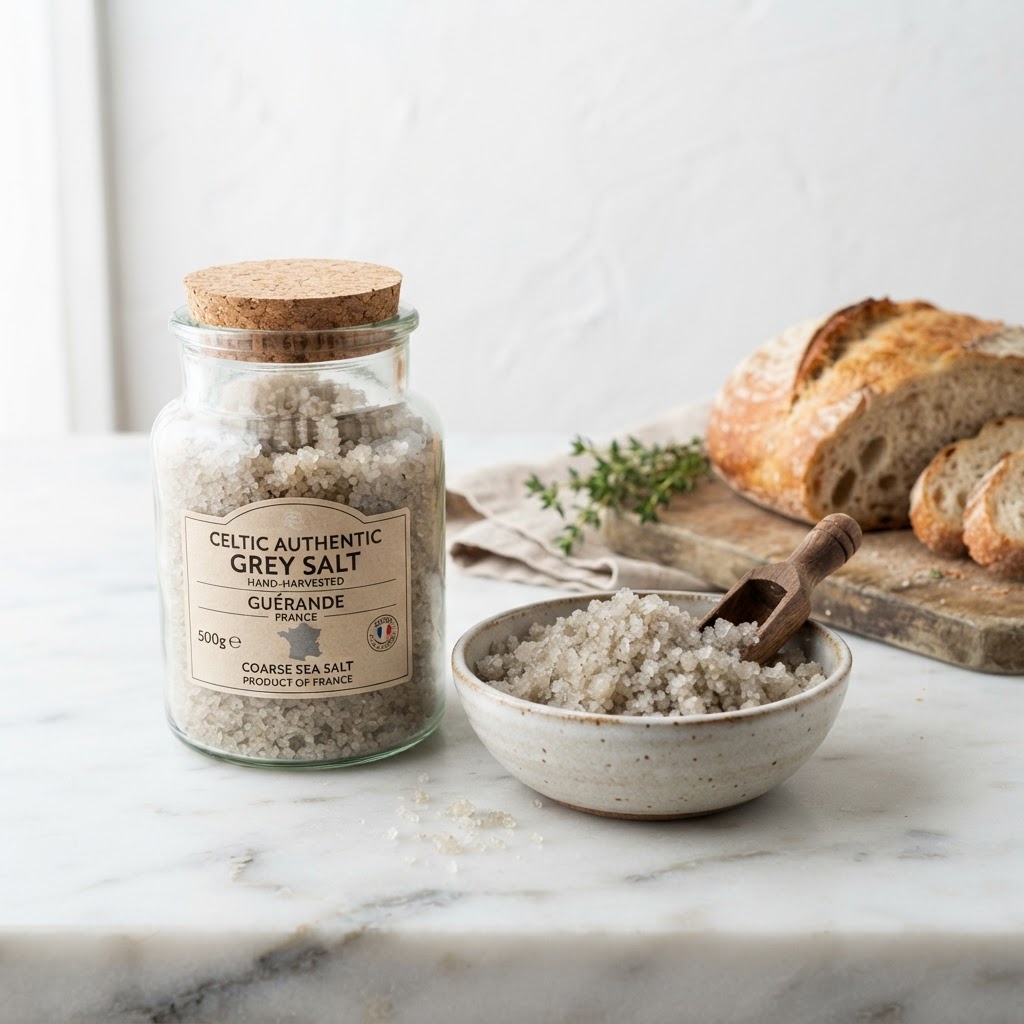
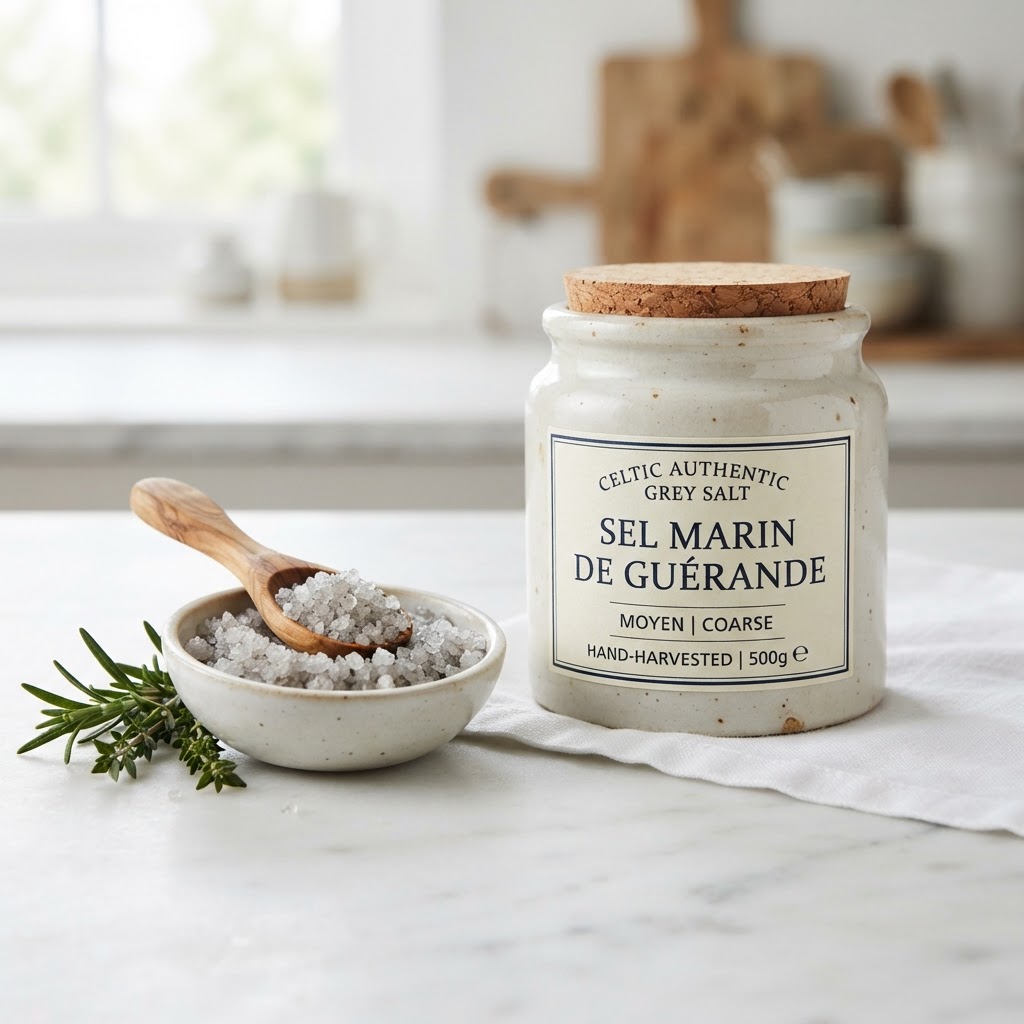
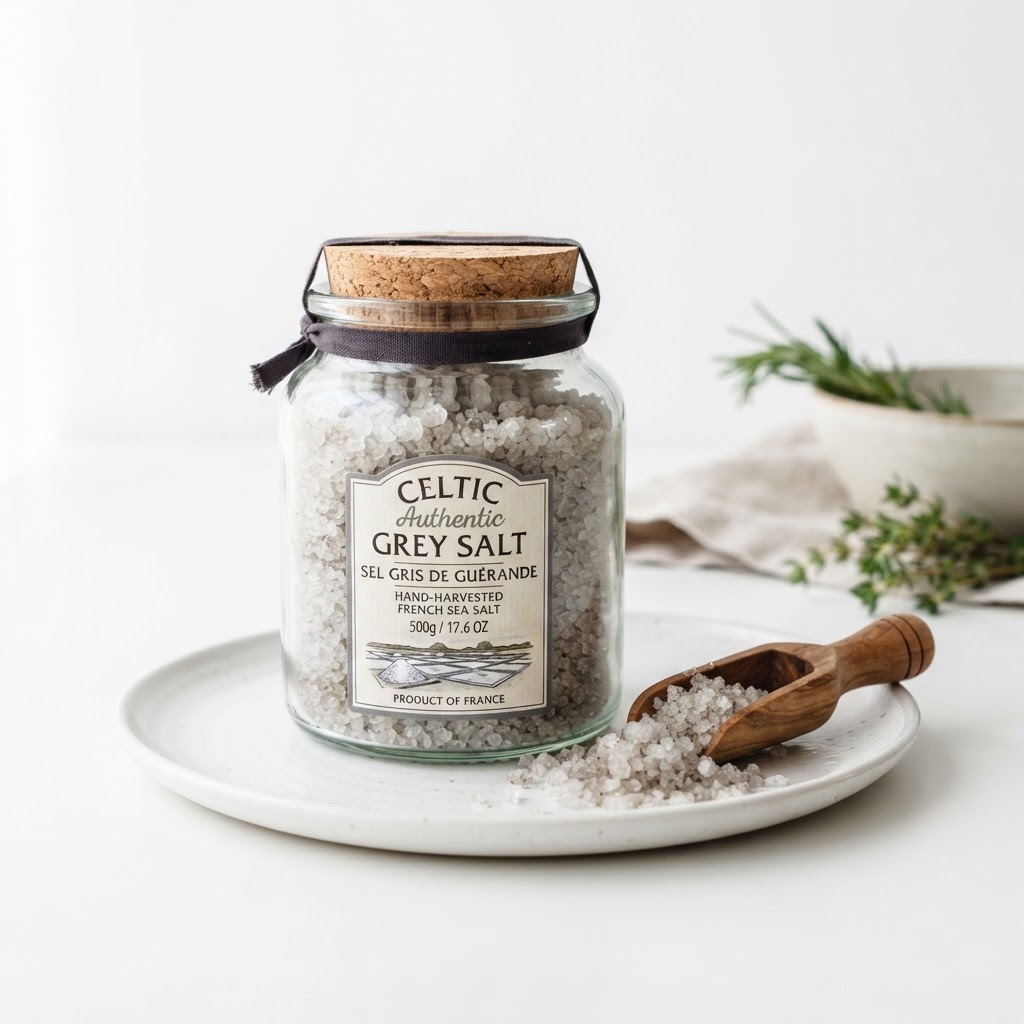
Before you begin your exploration of salt-enhanced viticulture, it is vital to ensure you have the correct tools. Quality matters when dealing with organic products. You should not use mass-produced, chemically refined table salt, as the anti-caking agents and artificial whitening will completely ruin the delicate bouquet of an organic wine. Instead, select only the finest Celtic Authentic Grey Salt – 500g ($79.99). This salt is hand-harvested from the clay-lined marshes of Guérande, maintaining its natural grey hue and moisture content, which is the hallmark of its quality.
Beyond the salt, you will need a small 'salt cellar' or an open-top dish that allows for easy pinching. Precision is key. For those who want to experiment with salt-rimmed wine cocktails or sensory-enhancing techniques, keep a shallow saucer nearby for even distribution. Additionally, ensure your wine is served at the correct temperature. Even the highest quality salt cannot fix a wine that is served too warm or too cold. Keep your glassware polished, as the integrity of the crystal can affect how the wine 'reads' on the nose. Once you have mastered these basics, you might consider how other hydration habits support your lifestyle by reviewing How Much Celtic Sea Salt Per Day For Weight Loss How To Use Guide to better understand your daily mineral intake requirements.
Step-by-Step Instructions: Enhancing Your Tasting Ritual
Follow these steps to safely and effectively integrate Celtic salt into your wine appreciation ritual. Remember, the goal is enhancement, not flavor alteration.
Preparation: Pour your organic wine into a glass and allow it to breathe for 15–20 minutes. Observe the initial bouquet.
The Pinch: Take a microscopic amount of Celtic Authentic Grey Salt – 500g ($79.99) between your thumb and index finger. A tiny crystal is often enough.
Application: Gently drop the salt into the side of the glass. Do not stir vigorously, as you want to preserve the wine's aeration.
Observation: Swirl the glass gently. You will notice the Celtic salt crystals begin to settle or dissolve, releasing their mineral signature into the vintage.
Sensory Analysis: Take a small sip. Notice how the initial 'sharp' acidity has been softened. The mid-palate should feel more cohesive, and the finish often lingers longer due to the improved mineral profile.
Comparison: If you are hosting a tasting, keep a side-glass of the untreated wine to compare the before-and-after effects. You will be surprised at how much more 'open' the salted glass feels.
⭐ IGP Certified — Guérande, France
Celtic Authentic Grey Salt – 500g
Hand-harvested · trace minerals whose levels vary by harvest and product · No additives
$79.99$114.99
Free shipping — standard tracked delivery included
Ships from France · Worldwide delivery · 30-day return guarantee
Comparison of Salt Application Methods
Method
Ideal Usage
Key Benefit
Direct Drop
Full-bodied red wines
Softens aggressive tannins
Glass Rimming
Crisp, organic white wines
Highlights mineral acidity
Decanter Integration
Young, tight, high-acidity bottles
Balanced aeration process
As you become more comfortable with these methods, you will find that a light dash of Celtic salt can be a game-changer for high-acid whites, such as an organic Albariño or a crisp Vermentino. Just as you might use Ice With Salt On Skin Benefits Explained to understand the cooling and mineral properties of salt externally, you are applying a similar logic of 'functional refinement' to your beverage consumption.
Pro Tips, Variations, and Common Mistakes
The most common mistake beginners make is over-salting. Remember, you are working with Celtic salt, which is incredibly potent and mineral-dense. If you can taste the saltiness distinctly, you have used too much. The goal is a subtle shift in the wine's structure. Pro tip: If you are serving a charcuterie board with your wine, try dusting the cheese slightly with the salt rather than the wine itself. This creates a bridge between the food and the glass that is more harmonious than salt in the wine directly.
Another variation is the 'salt-tincture' method. Dissolve a small amount of Celtic Authentic Grey Salt – 500g ($79.99) into a tiny amount of spring water to create a concentrated saline solution. Using a dropper, add just one single drop to your glass. This allows for superior control and prevents the salt from accumulating at the bottom of the glass. Always avoid using metal spoons, as they can react with the minerals in the salt and the acids in the wine; use glass or wood instruments only. By avoiding these pitfalls, you ensure your wine remains the star of the show, elevated by the subtle grace of natural minerals.
Ready to taste the difference?
Celtic Authentic Grey Salt – 500g — Hand-harvested · trace minerals whose levels vary by harvest and product · No additives