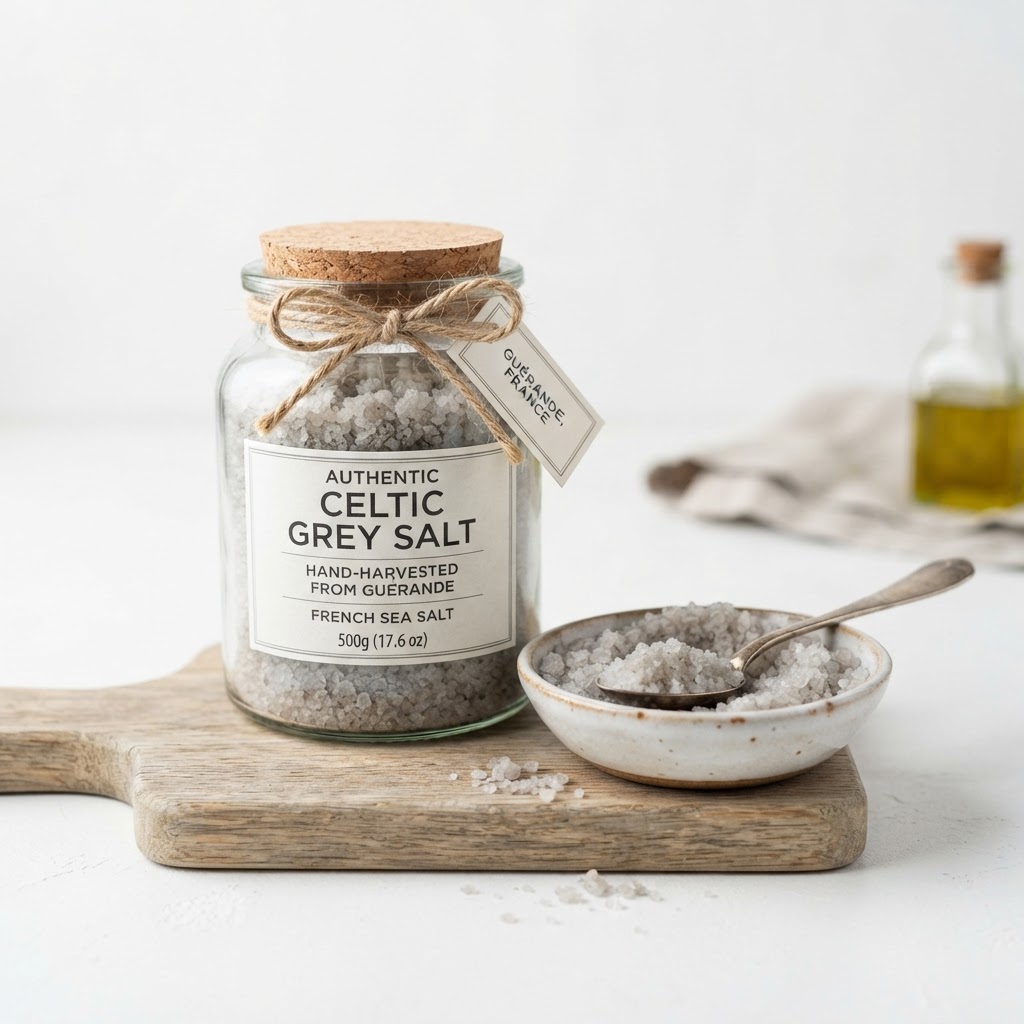
Hand-harvested Guérande salt · Tracked international delivery included
GuideOctober 16, 2026· by Celtic Salt Editorial Team
Bake Salt Guide: Enhancing Culinary Results with Celtic Salt
The Art of Using Bake Salt: Why Culinary Precision Matters
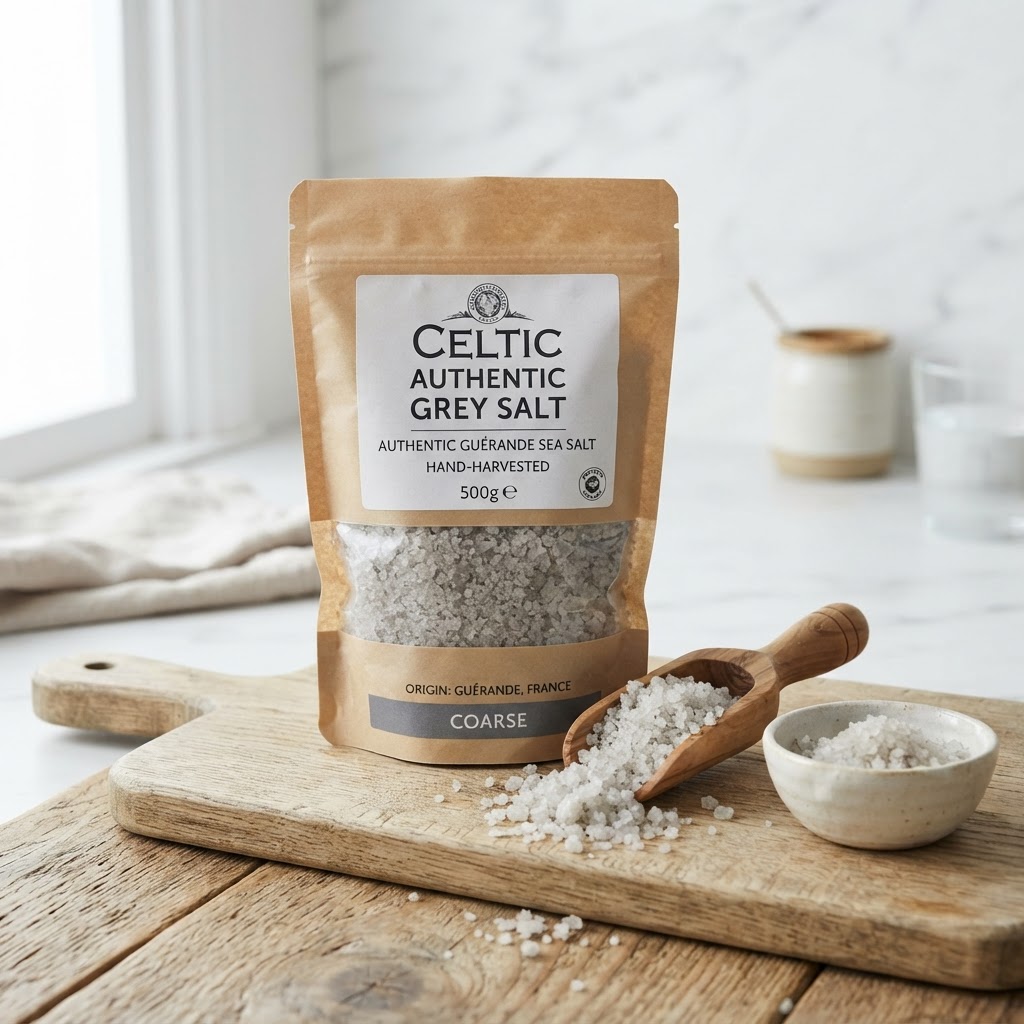
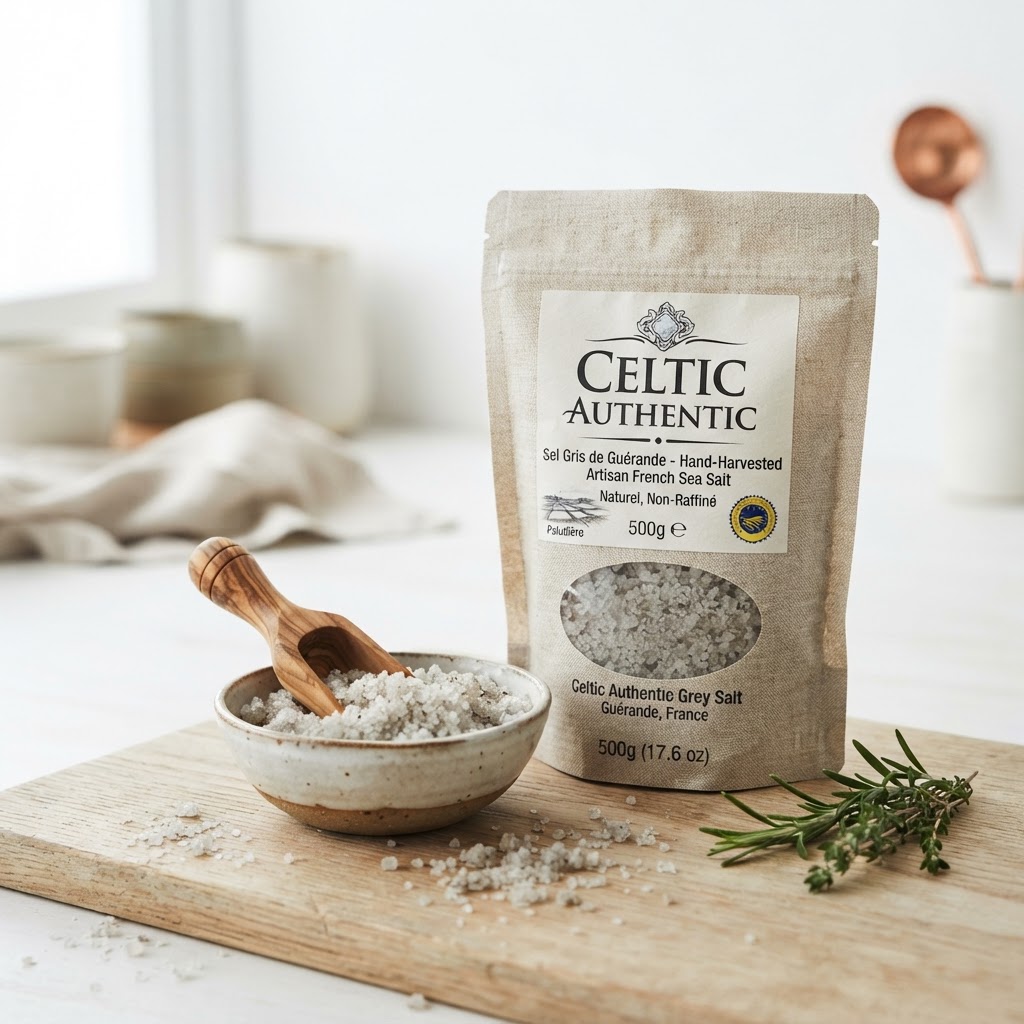
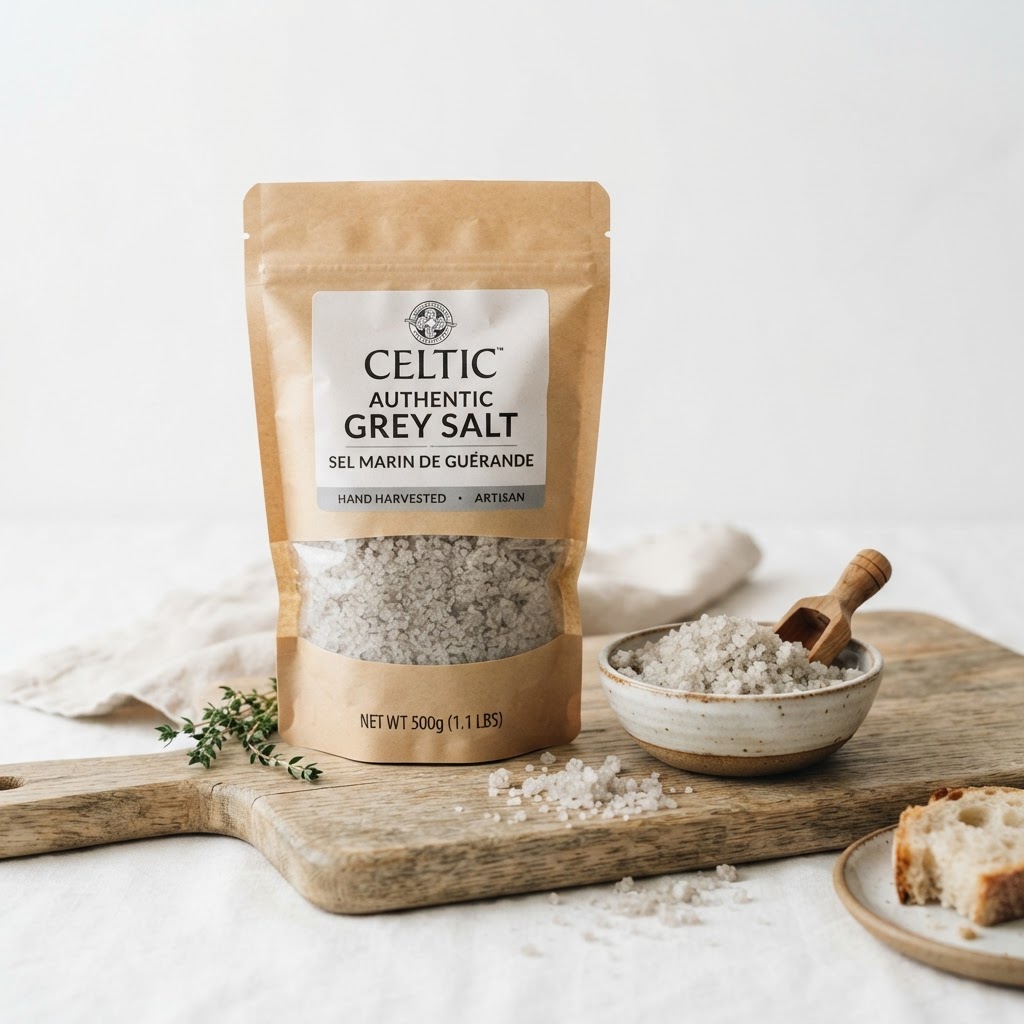
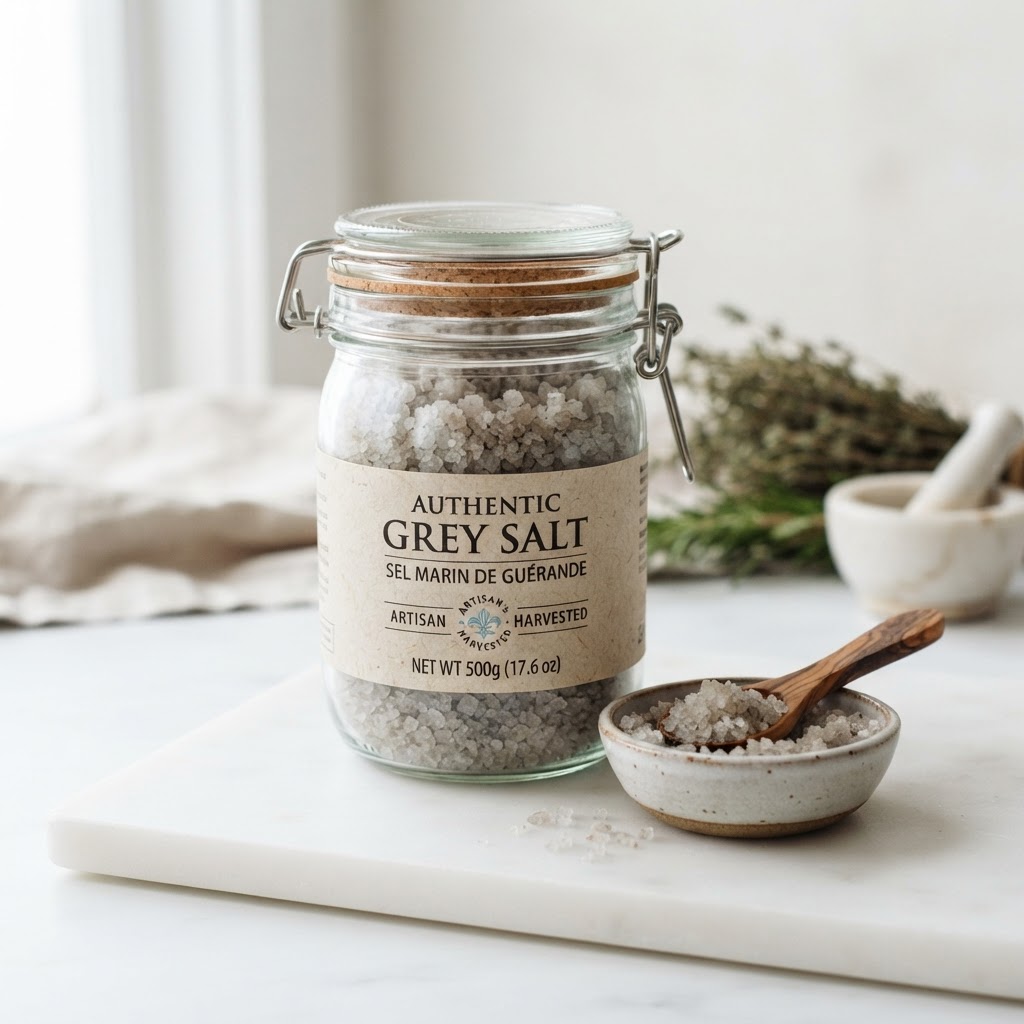
For home cooks and professional chefs alike, the secret to elevating a dish from good to extraordinary often lies in the quality of the mineral components used. When we discuss "bake salt," we are referring to the intentional integration of high-quality, mineral-rich salt into doughs, crusts, and baked goods. In the world of premium gastronomy, not all salts are created equal. Many standard table salts are heavily processed, stripped of their inherent complexity, and reinforced with anti-caking agents that can leave an undesirable metallic aftertaste in delicate pastries or savory breads. By choosing our Celtic Authentic Grey Salt – 500g ($79.99), you are opting for a product harvested with traditional methods in the salt marshes of Guérande, ensuring that the mineral content remains intact, providing a depth of flavor that is simply unattainable with mass-produced alternatives.
Understanding the role of salt in baking is the first step toward mastery. Salt does more than just make things taste "salty." It is a vital structural component in bread dough, as it regulates yeast fermentation, strengthens the gluten structure, and improves the overall crumb texture. In sweeter applications, it acts as a flavor balancer, counteracting the overwhelming nature of sugar and highlighting subtle floral or fruity notes in ingredients like dark chocolate or stone fruits. When you use Celtic salt, you are introducing trace minerals that harmonize with organic flours and high-quality butters, creating a profile that feels rounded and complete. If you are curious about other applications of our harvested minerals, you might want to explore our deeper insights on Coarse Grey Sea Salt Benefits Explained to understand why the texture of our harvest is so highly prized by culinary experts.
As we navigate the culinary landscape of 2026, the shift toward clean, minimally processed ingredients continues to grow. Home bakers are increasingly recognizing that the foundation of a great loaf or a perfect cookie is built on the ingredients used in the mixing bowl. Baking with an IGP Guérande certified salt ensures that you are bringing an authentic, terroir-driven product into your kitchen. Whether you are folding it into a sourdough boule or sprinkling it over a galette crust, the way the salt crystals interact with heat and moisture is critical. Unlike refined white salts that dissolve rapidly and lose their character, the moisture-rich structure of our grey salt allows it to permeate the dough in a way that respects the biological processes occurring within your baked goods.
What You Need for the Perfect Salt-Baked Experience
To begin your journey into professional-grade baking, you need a collection of tools that respect the integrity of your ingredients. While baking is often seen as a science of precision, it is also a sensory experience. You will need your primary ingredient, our Celtic Authentic Grey Salt – 500g ($79.99), which serves as the gold standard for your pantry. Beyond the salt, ensure you have a high-quality stainless steel or glass mixing bowl, as these materials do not react with the mineral properties of raw, unprocessed sea salt. A digital kitchen scale is essential, as the weight-to-volume ratio of coarse grey salt differs significantly from fine table salt, and precision is paramount when you are looking to achieve consistent results across different recipes.
When dealing with artisanal salt, the method of incorporation is just as important as the tool used. A bench scraper or a high-quality silicone spatula is useful for folding the salt into your dry ingredients without knocking out the aeration you have built into your dough. Furthermore, a granite or ceramic mortar and pestle is an excellent addition to your kit if you prefer a finer texture for specific delicate pastries. By manually grinding a portion of your Celtic salt, you can create a gradient of textures, allowing some crystals to provide a burst of salinity while others blend seamlessly into the fats of your dough or batter. This versatility is what makes our product a staple in the kits of serious bakers.
Beyond the hardware, consider the environment in which you bake. A cool, dry pantry for your salt storage is vital to maintaining its quality. Because our Celtic Authentic Grey Salt is a natural product, it retains a trace amount of moisture that contributes to its characteristic texture. Keeping it in a breathable container—preferably ceramic or wood—allows it to maintain its integrity without becoming overly dry or hardened. If you are interested in expanding how you utilize these minerals beyond the kitchen, consider reading What Does Sea Salt Do For Your Skin Benefits Explained to see how the purity of the Guérande region translates to holistic well-being. By viewing your baking ingredients through this lens of quality and preservation, you elevate the entire experience of home cooking into a craft.
Step-by-Step Instructions for Using Celtic Salt in Baking
Integrating high-quality salt into your baking requires a methodical approach to ensure that the minerals are distributed correctly and that you extract the maximum benefit from every grain. Follow these steps to achieve professional-level consistency with your Celtic Authentic Grey Salt – 500g ($79.99).
1. Preparation: Weigh your salt separately from your other dry ingredients. Because Celtic salt has a higher density of moisture and mineral content compared to standard salt, a 1:1 volume substitution can lead to an oversalted product. Start with 80% of the salt quantity suggested in a standard recipe and adjust to taste.
2. Incorporation into Dry Mix: Sift your flour and leavening agents (if using) into your mixing bowl. Add the Celtic salt to the dry base before adding any liquids. This ensures that the salt is evenly dispersed, preventing "salt pockets" which can interfere with yeast activity in bread or cause uneven leavening in cakes.
3. The Hydration Phase: As you add water or liquid binders, observe how the salt reacts. The minerals in our salt tend to hold moisture, which can slightly affect the hydration levels of your dough. If the dough feels tighter than usual, add an extra teaspoon of water at a time until the desired consistency is achieved.
4. Folding and Kneading: Use a gentle hand or a low-speed mixer. If you are working with a delicate crust or pastry, fold the dough to encapsulate the salt without crushing it entirely. This allows for small, intermittent bursts of flavor when the final product is consumed, which is the mark of a master baker.
5. The Rest and Bake: Allow your dough or batter to rest for the designated time. During this period, the moisture-rich Celtic salt will slowly dissolve into the dough, creating a more uniform flavor profile than mass-produced salts. Bake as directed, monitoring the crust color closely, as the mineral composition can often lead to a more robust, golden-brown finish due to the Maillard reaction.
6. Finishing Touches: For breads or savory baked goods, lightly crush a few additional crystals of our grey salt and sprinkle them over the top immediately after taking the product out of the oven, while the surface is still slightly warm and moist. This adds a visual and textural element that defines artisanal quality.
Comparison: Standard Table Salt vs. Celtic Authentic Grey Salt
The difference between standard white salt and our IGP Guérande salt is visible to the naked eye. The following table illustrates why professional bakers are making the switch to our premium offering.
Feature
Standard Table Salt
Celtic Authentic Grey Salt
Origin
Factory Processed/Refined
Guérande, France (IGP Protected)
Mineral Content
Stripped (Added Iodide)
Natural Trace Minerals
Texture
Fine, uniform granules
Coarse, moist, varied crystals
Culinary Impact
One-dimensional salinity
Complex, rounded, earthy finish
Best For
High-volume industrial baking
Artisanal, high-quality baking
As shown in the table, the distinction goes beyond mere branding. When you use Celtic salt, you are working with an ingredient that has been harvested using techniques that date back centuries. Standard table salt is often dried at extreme temperatures and treated with chemical additives to prevent clumping. This process essentially destroys the subtle nuances that occur naturally in Atlantic seawater. In contrast, our salt remains in its raw state, protected by the clay of the salt marshes. This results in a salt that "breathes" and interacts with your flour, eggs, and fats. For those interested in seeing how these natural properties benefit other areas of your lifestyle, you might find our article on Sea Salt Body Wash Benefits Expert Tips quite illuminating regarding the difference between refined and raw sea minerals.
⭐ IGP Certified — Guérande, France
Celtic Authentic Grey Salt – 500g
Hand-harvested · trace minerals whose levels vary by harvest and product · No additives
$79.99$114.99
Free shipping — standard tracked delivery included
Ships from France · Worldwide delivery · 30-day return guarantee
Common Mistakes to Avoid When Baking with Salt
One of the most frequent errors home bakers make is over-salting, primarily because they treat Celtic salt like standard table salt. Remember that because our Celtic Authentic Grey Salt – 500g ($79.99) is packed with trace minerals, the perceived saltiness is more intense and rounded. If you use it in the same volume as standard salt, you risk masking the delicate flavors of your flour, fruit, or butter. Always weigh your ingredients using a digital scale to ensure total control. If you have been using high-sodium refined salts your entire life, your palate may need a moment to adjust to the deeper, more complex flavor profile of high-quality sea salt.
Another common mistake is neglecting the timing of the salt addition. Never add your salt directly to the yeast in bread baking before the water is added. High concentrations of salt in direct contact with dry yeast can inhibit the fermentation process, leading to a flat, dense loaf. Always mix your salt into the flour first, ensuring it is well-distributed before introducing any living cultures. Additionally, avoid storing your salt in a humid environment where it can become clumped. While the moisture is natural to our product, excessive ambient humidity can lead to the salt hardening into a block, making it difficult to measure accurately for your recipes.
Finally, avoid the temptation to use "baking salt" as a generic term for just any salt you find on a supermarket shelf. By prioritizing the quality of your Celtic salt, you are investing in the final product's success. Improperly sourced salts often contain residues from industrial processing, which can react negatively with baking powders or alkaline ingredients like baking soda, leading to off-flavors or even greenish tints in your finished pastries. By choosing a transparent, premium source, you guarantee that your bakes will be safe, delicious, and consistent every time.
Pro Tips and Variations for the Advanced Baker
For those looking to push the boundaries of their craft, consider experimenting with "salt infusions" using your Celtic salt. You can create a signature baking salt by lightly toasting whole spices—like fennel seeds, coriander, or dried lavender—and grinding them together with a portion of our coarse salt in a mortar and pestle. This creates a bespoke seasoning blend that can be folded into bread dough or used to top savory shortbreads, adding a layer of professional complexity to your baked goods that is impossible to replicate with store-bought seasoning blends.
Another variation to explore is the use of Celtic salt in caramel and chocolate-based baked goods. Because of the inherent mineral profile of our grey salt, it provides a superior counterpoint to the bitterness of dark chocolate. When making a chocolate brownie or a sea-salt dark chocolate chip cookie, add a small pinch of the salt into the batter, and then finish with a coarse sprinkle on top. The salt does not just "pop" against the sugar; it actually broadens the flavor, making the chocolate taste darker, richer, and more intense. This is why top-tier pastry chefs are moving away from sharp, overly aggressive salts and opting for the softer, more lingering salinity provided by our product.
Ultimately, the key to becoming an expert in using Celtic salt is consistency and documentation. Keep a baking journal where you record not just the amount of salt used, but how the texture of the finished dough felt and how the flavor was perceived by those you share your bakes with. Over time, you will develop an intuitive sense for how much salt your specific bread or pastry requires. By relying on our Celtic Authentic Grey Salt – 500g ($79.99) as your consistent baseline, you remove the variables of inferior products, allowing your skill and technique to take center stage in the kitchen.
Ready to taste the difference?
Celtic Authentic Grey Salt – 500g — Hand-harvested · trace minerals whose levels vary by harvest and product · No additives